
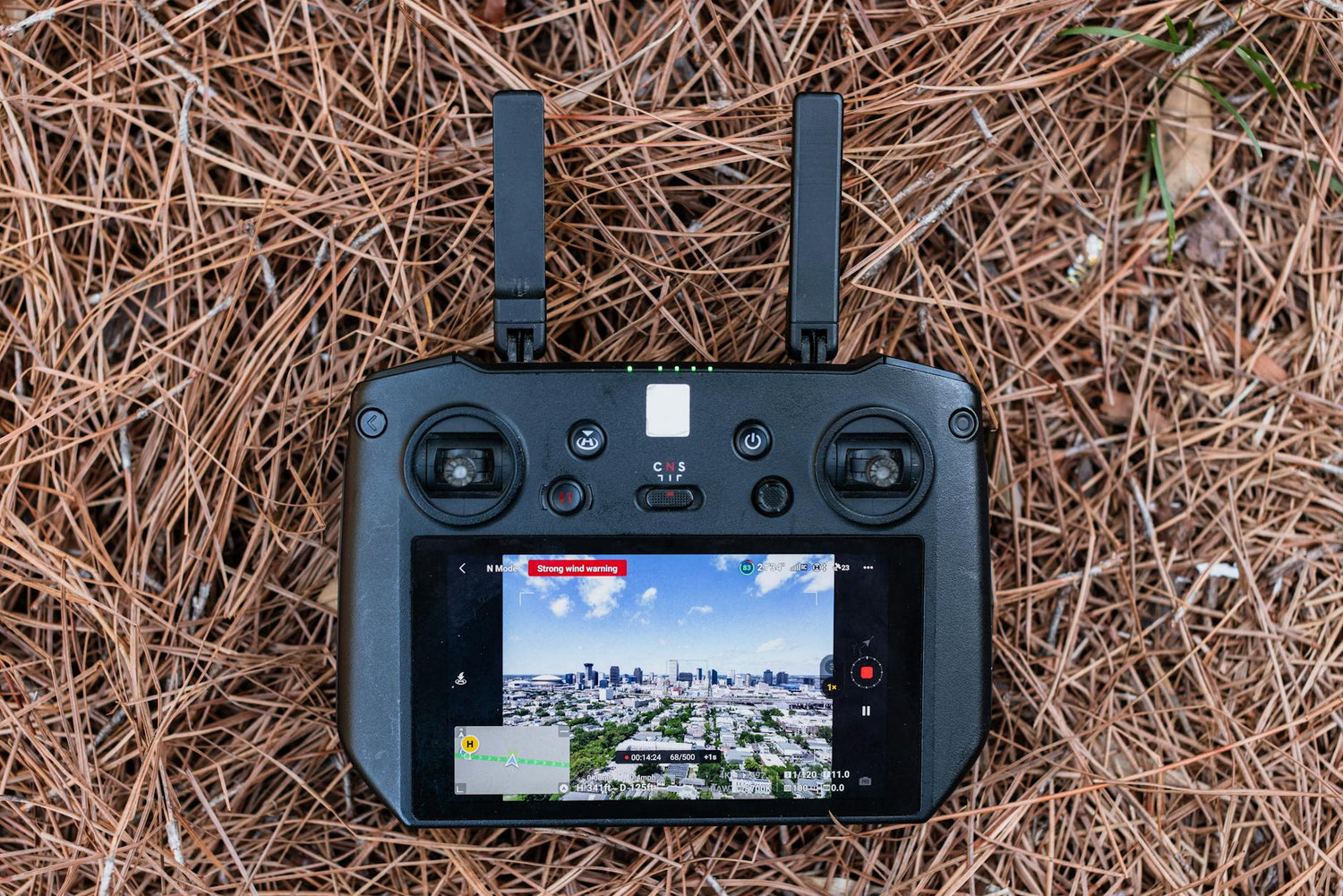
Key Takeaways - Master Fleet Security with Professional GPS Detection
A GPS transmitter detector is an essential tool for fleet managers conducting thorough security audits and protecting their vehicle assets from unauthorized tracking devices.
- Radio frequency scanning technology allows professional detectors to identify hidden GPS trackers by detecting their transmission signals across multiple frequency bands.
- Advanced signal filtering features help distinguish between legitimate fleet management devices and potentially malicious tracking equipment installed without authorization.
- Systematic detection protocols ensure comprehensive vehicle sweeps that cover common hiding spots including wheel wells, bumpers, and interior compartments.
- Regular security auditing schedules using GPS detectors help maintain fleet integrity and prevent corporate espionage or theft attempts.
Understanding proper detection techniques and equipment capabilities empowers fleet managers to maintain complete control over their vehicle monitoring systems.
How GPS Transmitter Detectors Work for Fleet Security Auditing
GPS transmitter detectors serve as essential security tools for fleet managers who need to verify vehicle tracking systems and identify unauthorized monitoring devices. These professional instruments work by scanning radio frequencies to locate active GPS transmitters, providing fleet operators with comprehensive visibility into all tracking devices on their vehicles.
Radio Frequency Detection Methods That Identify Active GPS Signals
Modern GPS transmitter detectors operate by monitoring specific frequency ranges where GPS devices communicate with satellites and cellular networks. Most GPS trackers transmit data using cellular frequencies between 800 MHz and 2100 MHz, while also receiving satellite signals around 1575 MHz. Professional detectors scan these frequency bands continuously, identifying the characteristic signal patterns that indicate active GPS transmission.
The detection process involves analyzing signal strength, transmission intervals, and frequency signatures. Quality detectors can differentiate between GPS signals and other wireless devices like cell phones or Wi-Fi equipment by recognizing the unique data burst patterns that GPS trackers produce when reporting location information.
Battery-Powered vs Hardwired Tracker Detection Capabilities
Fleet security auditing requires detecting both battery-powered and hardwired GPS devices, each presenting distinct detection challenges. Battery-powered trackers typically transmit less frequently to conserve power, often sending location updates every few minutes or hours. This intermittent transmission pattern requires patience during detection sweeps, as operators may need to monitor for extended periods to catch these sporadic signals.
Hardwired GPS trackers connect directly to vehicle power systems and can transmit continuously or very frequently. These devices are generally easier to detect because of their consistent signal output, but they may be more challenging to locate physically since they integrate with vehicle wiring systems. Professional detectors must have sufficient sensitivity to identify both transmission types across varying signal strengths.
Professional Detection Range and Accuracy Standards for Fleet Operations
Commercial-grade GPS transmitter detectors typically offer detection ranges between 3 to 30 feet, with optimal performance occurring within 10 feet of the target device. This range allows fleet managers to conduct thorough vehicle inspections while maintaining practical mobility during security audits.
Professional detection accuracy depends on several factors including environmental interference, device transmission power, and detector sensitivity settings. High-quality detectors achieve 95% accuracy rates when operated correctly in controlled environments. For fleet operations, this means conducting sweeps in areas with minimal radio frequency interference, typically away from cellular towers, Wi-Fi networks, and other electronic equipment.
Effective fleet security auditing requires systematic detection procedures, including multiple sweep patterns around each vehicle and verification protocols to confirm detected signals. Professional detectors should provide both audible and visual alerts with adjustable sensitivity levels to accommodate different operational environments and detection requirements.
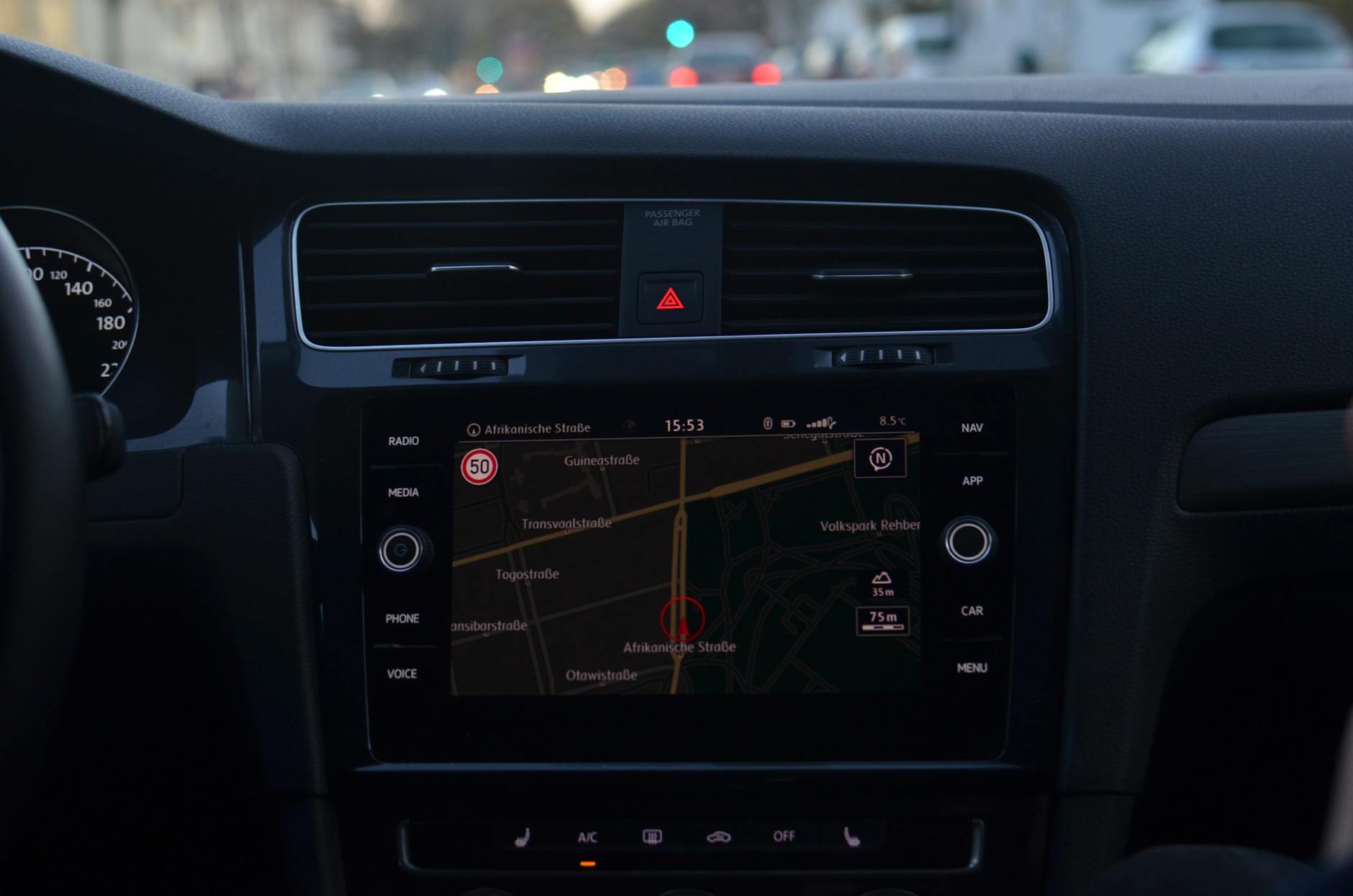
Essential Features Fleet Managers Need in Professional GPS Detectors
Professional fleet security demands GPS detectors with capabilities far beyond basic consumer models. Fleet managers overseeing multiple vehicles require comprehensive detection systems that can efficiently scan entire fleets while maintaining operational security and integrating seamlessly with existing management protocols.
Multi-Frequency Scanning Capabilities for Comprehensive Vehicle Sweeps
Professional GPS detectors must scan across multiple frequency bands simultaneously to catch sophisticated tracking devices. Commercial-grade units typically cover frequencies from 50MHz to 6GHz, ensuring detection of cellular, WiFi, Bluetooth, and traditional GPS transmitters. Advanced models feature adjustable sensitivity settings that allow operators to distinguish between legitimate vehicle electronics and unauthorized tracking devices. The most effective professional detectors can identify signals from both active transmitters and devices using burst transmission patterns that might evade simpler detection equipment.
Silent Mode Detection for Dormant Tracking Device Discovery
Many tracking devices remain dormant for extended periods to avoid detection, making silent mode capability essential for thorough fleet security audits. Professional detectors incorporate non-linear junction detection technology that identifies electronic components regardless of their transmission status. This feature proves invaluable for locating battery-powered devices in sleep mode or units programmed to transmit only at specific intervals. Advanced models can detect the electronic signatures of capacitors and semiconductors within tracking devices, even when completely powered down.
Integration Options with Existing Fleet Management Systems
Professional GPS detectors should offer seamless integration pathways with current fleet management infrastructure. Look for units that provide data logging capabilities, allowing security teams to maintain comprehensive audit trails for each vehicle inspection. The best professional models feature USB connectivity for report generation and can export detection data in formats compatible with fleet management software. Some advanced systems offer wireless connectivity options that enable real-time monitoring and centralized security management across multiple facility locations.
Durability and Battery Life Requirements for Commercial Use
Commercial GPS detectors must withstand the rigorous demands of daily fleet operations. Professional units require minimum 8-hour continuous operation on a single charge to accommodate full shift inspections without interruption. Industrial-grade construction with IP65 weather resistance ensures reliable performance in various environmental conditions. The most suitable professional detectors feature replaceable battery systems and rapid charging capabilities, allowing security teams to maintain continuous operational readiness. Quality professional units should include protective carrying cases and mounting options for vehicle-based inspections, ensuring equipment longevity while providing consistent detection accuracy across extensive fleet security protocols.
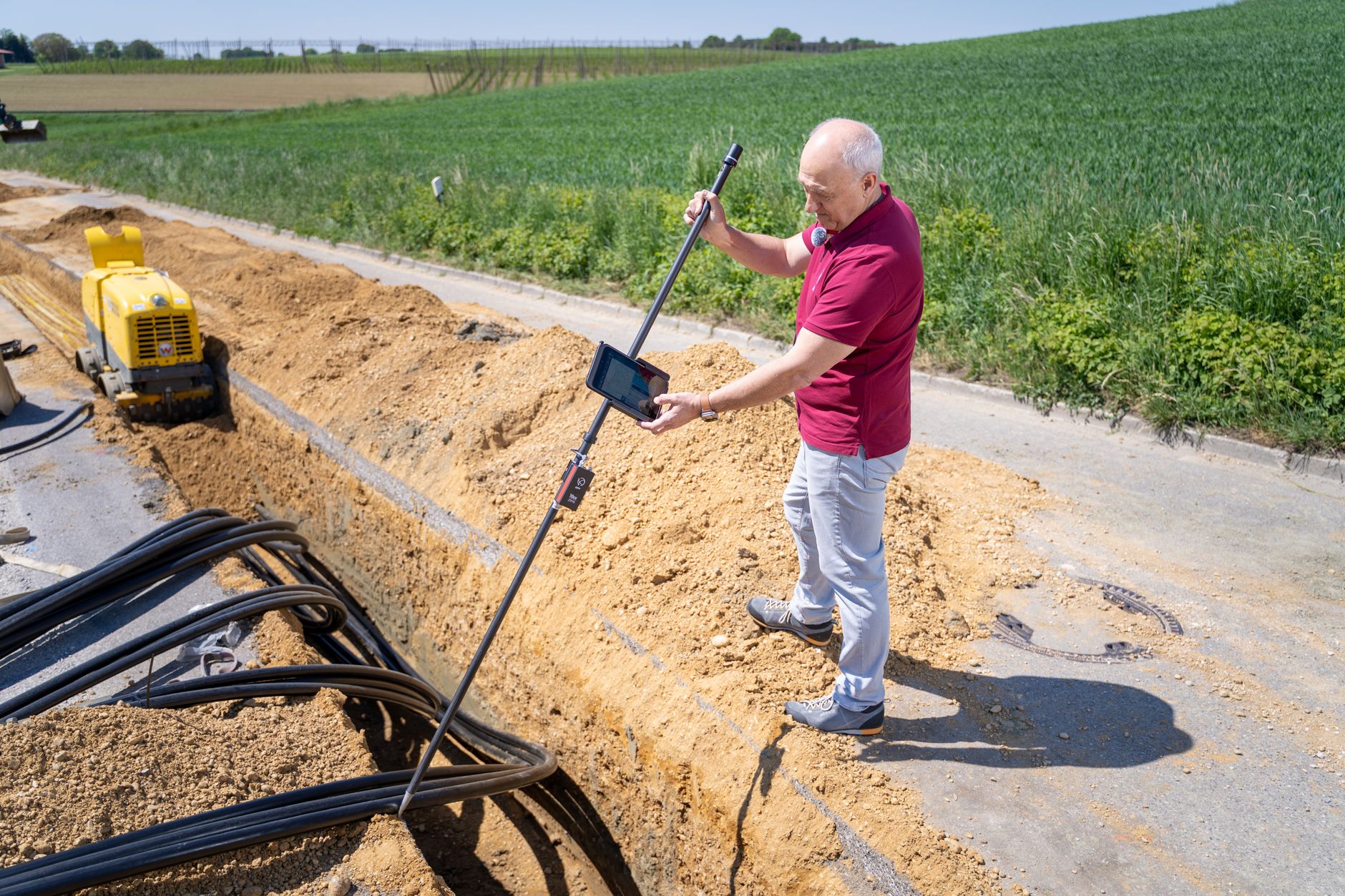
Best Practices for Fleet Vehicle GPS Detection Protocols
Implementing systematic GPS detection protocols protects your fleet investment and ensures operational security. Professional fleet managers require structured approaches that balance thoroughness with efficiency while maintaining compliance standards.
Systematic Vehicle Inspection Procedures for Maximum Coverage
Establish weekly inspection schedules that rotate through your entire fleet systematically. Begin each inspection with the most vulnerable areas where unauthorized GPS devices are commonly placed.
Start your physical inspection at the front bumper and wheel wells, moving methodically to the undercarriage, door frames, and interior compartments. Focus extra attention on magnetic attachment points including metal surfaces behind license plates, inside fender wells, and along the vehicle frame.
Use your gps transmitter detector in a grid pattern, spending 15-30 seconds per section depending on vehicle size. Commercial vehicles require extended inspection time due to increased hiding spots in cargo areas and external equipment mounts.
Document inspection times and detector readings for each vehicle. Consistent baseline readings help identify unusual signals during future inspections. Schedule inspections during off-peak hours when vehicles are parked in your secure facility to minimize interference from other electronic devices.
Documentation and Compliance Requirements for Detection Activities
Maintain detailed records of all detection activities including dates, vehicles inspected, equipment used, and findings. Create standardized inspection forms that capture detector model numbers, battery levels, and environmental conditions during testing.
Photograph any suspicious devices before removal and store images with corresponding inspection reports. This documentation proves essential for insurance claims and legal proceedings if unauthorized tracking is discovered.
Establish clear escalation procedures when devices are found. Designate specific personnel authorized to handle device removal and evidence preservation. Ensure your protocols comply with local privacy laws regarding GPS detection on company-owned vehicles.
Schedule monthly equipment calibration checks and maintain service records for all detection devices. Regular calibration ensures consistent performance and validates your inspection results.
Training Staff on Professional Detection Equipment Operation
Provide hands-on training sessions where staff practice with actual gps transmitter detector units on test vehicles. Include both active GPS devices and decoy units to build detection confidence and familiarity with equipment responses.
Train operators on proper sensitivity settings for different vehicle types and environmental conditions. Large commercial vehicles require different detector configurations than passenger cars due to increased metal shielding and electrical interference.
Establish competency standards requiring staff to successfully locate test devices within specified timeframes. Schedule refresher training quarterly to maintain detection skills and introduce new equipment features.
Document training completion and maintain certification records for each operator. Well-trained staff using professional detection equipment provides the most reliable protection against unauthorized vehicle tracking.

FAQ - Frequently Asked Questions
Can GPS transmitter detectors find all types of tracking devices on fleet vehicles?
Most professional GPS transmitter detectors can identify standard GPS tracking devices that actively transmit signals. However, passive tracking devices that only log data without transmitting may not be detected. Detection effectiveness also depends on the device's transmission frequency and the detector's sensitivity range.
How often should fleet managers conduct GPS detection sweeps on their vehicles?
Fleet managers should perform GPS detection sweeps monthly for high-security operations or quarterly for standard fleet management. More frequent sweeps may be necessary if vehicles operate in high-risk areas or carry sensitive cargo. Regular detection schedules help identify unauthorized tracking devices before they compromise fleet security.
What legal considerations apply when using GPS detectors on company-owned vehicles?
Companies have full legal rights to use GPS detectors on vehicles they own. However, employees must be notified if detection sweeps might affect personal devices in company vehicles. Fleet managers should establish clear policies about GPS detection procedures and document any unauthorized devices found during sweeps.
Do GPS transmitter detectors interfere with legitimate fleet tracking systems?
Quality GPS transmitter detectors operate in detection mode only and do not interfere with existing fleet tracking systems. These detectors identify signal sources without jamming or disrupting communications. Fleet managers can safely use detection equipment while maintaining normal operations of their authorized GPS tracking devices.


Leave a comment
This site is protected by hCaptcha and the hCaptcha Privacy Policy and Terms of Service apply.