

Key Takeaways - Master Fleet Control with Smart GPS Technology
Modern GPS transmitter devices are revolutionizing how businesses monitor, manage, and optimize their vehicle fleets for maximum efficiency and cost savings.
- Real-time tracking capabilities provide instant vehicle location updates, route monitoring, and driver behavior insights for complete fleet visibility.
- Advanced device selection criteria include battery life, durability ratings, connectivity options, and integration compatibility with existing fleet management systems.
- Strategic implementation approaches focus on phased rollouts, driver training programs, and data analytics setup to ensure smooth adoption.
- Measurable ROI benefits include reduced fuel costs, improved route efficiency, enhanced security, and streamlined maintenance scheduling within 6-12 months.
Professional GPS transmitter device solutions deliver the operational control and data insights essential for competitive fleet management success.
How Professional GPS Transmitter Devices Transform Fleet Management Operations
Professional GPS transmitter devices deliver enterprise-grade tracking capabilities that go far beyond basic location services. These robust solutions provide fleet managers with comprehensive operational control, turning vehicle data into actionable business intelligence that drives efficiency and reduces costs.
Real-Time Vehicle Location Tracking for Complete Fleet Visibility
Professional GPS transmitter devices offer continuous real-time tracking with update intervals as frequent as every 10 seconds. This precision enables fleet managers to monitor exact vehicle positions, speeds, and status across their entire operation from a centralized dashboard.
The immediate benefits include enhanced security through instant theft alerts, improved customer service with accurate delivery estimates, and better resource allocation by identifying the closest available vehicle to any service request. Professional devices maintain reliable connectivity even in challenging environments, ensuring consistent data flow regardless of weather conditions or remote locations.
Fleet managers gain complete visibility into vehicle utilization patterns, helping identify underused assets and optimize fleet size. This level of oversight transforms fleet management from reactive problem-solving to proactive operational planning.
Advanced Route Optimization and Driver Behavior Monitoring
Professional GPS transmitter devices capture detailed driving data including acceleration patterns, braking behavior, speed compliance, and idle time. This comprehensive monitoring enables fleet managers to implement data-driven safety programs that reduce accidents, lower insurance premiums, and extend vehicle lifespan.
Route optimization features analyze historical traffic patterns and real-time conditions to suggest the most efficient paths, reducing fuel consumption by up to 15%. The devices automatically generate reports on driver performance, highlighting both safety concerns and exemplary behavior for recognition programs.
Geofencing capabilities allow managers to create virtual boundaries around job sites, customer locations, or restricted areas, triggering automatic alerts when vehicles enter or exit designated zones. This functionality streamlines timesheet management and ensures compliance with client requirements or regulatory restrictions.
Integration Capabilities with Fleet Management Software Systems
Professional GPS transmitter devices seamlessly connect with existing business systems through robust API integrations. This connectivity enables automatic data synchronization with accounting software, customer relationship management systems, and maintenance scheduling platforms.
The integration eliminates manual data entry, reducing administrative overhead while improving accuracy. Fleet managers can generate comprehensive reports combining GPS data with fuel costs, maintenance records, and driver hours, providing complete visibility into operational expenses.
Many professional devices support multiple communication protocols, ensuring compatibility with various fleet management platforms. This flexibility allows businesses to choose the software solution that best fits their needs while maintaining full access to GPS tracking capabilities.
Key Features of Professional GPS Transmitter Devices for Fleet Management
| Feature | Update Frequency | Primary Benefit | Business Impact |
|---|---|---|---|
| Real-Time Tracking | Every 10 seconds | Complete fleet visibility | Enhanced security alerts |
| Route Optimization | Continuous | Efficient navigation | Reduced fuel costs |
| Driver Monitoring | Real-time | Behavior analysis | Improved safety scores |
| Asset Utilization | Daily reports | Usage optimization | Right-sized fleet |

Choosing the Right GPS Transmitter Device for Your Fleet Requirements
Selecting the appropriate GPS transmitter device for your fleet requires careful evaluation of technical specifications that directly impact operational efficiency and cost management. Professional fleet managers must balance functionality, reliability, and budget constraints while ensuring comprehensive vehicle tracking coverage.
Battery Life and Power Management Solutions for Different Vehicle Types
Battery performance varies significantly across different GPS transmitter device models and directly affects maintenance schedules and operational costs. Hardwired devices connected to vehicle electrical systems provide continuous power for heavy-duty trucks and commercial vehicles, eliminating battery replacement concerns. Magnetic battery-powered units offer 30 to 90 days of tracking capability, making them ideal for equipment monitoring and temporary vehicle assignments.
Solar-powered GPS transmitters extend operational periods for outdoor equipment and trailers parked in exposed areas. These devices combine battery backup with solar charging panels to maintain consistent tracking without manual intervention. Consider your vehicle usage patterns when selecting power options, as frequent short trips may not provide adequate charging time for solar units.
Communication Technology: Cellular vs Satellite Coverage Options
Cellular-based GPS transmitters utilize existing mobile networks to transmit location data, providing cost-effective real-time tracking in urban and suburban environments. These devices work reliably in areas with strong cellular coverage but may experience communication gaps in remote locations or rural territories.
Satellite communication GPS transmitters ensure consistent data transmission regardless of cellular tower availability. While satellite devices typically cost more per unit and require higher monthly service fees, they provide essential coverage for long-haul trucking, construction equipment, and vehicles operating in remote areas. Hybrid devices that switch between cellular and satellite networks offer optimal coverage flexibility.
Durability Standards and Environmental Protection Features
Professional fleet applications demand GPS transmitter devices built to withstand harsh operating conditions. Look for units rated IP67 or higher for water and dust resistance, essential for construction vehicles, marine equipment, and outdoor machinery. Temperature tolerance ratings ensure reliable operation in extreme climates, from freezing warehouse environments to desert construction sites.
Shock and vibration resistance specifications matter significantly for heavy equipment and commercial vehicles experiencing constant movement. Quality devices feature reinforced housings and secure mounting systems that maintain tracking accuracy despite challenging operational conditions.
Reporting Frequency and Data Storage Capacity Requirements
Reporting intervals directly impact both battery life and data costs. Configurable reporting frequencies allow managers to balance real-time visibility with operational expenses. High-value assets may require minute-by-minute updates, while equipment tracking might suffice with hourly position reports.
Onboard data storage capacity ensures continued tracking during communication outages. Devices with larger memory buffers store location history locally and transmit accumulated data when connectivity resumes, preventing gaps in fleet visibility and maintaining comprehensive tracking records.

Implementation Strategies and ROI Maximization for Fleet GPS Systems
Successful GPS transmitter device deployment requires strategic planning and systematic execution. Professional fleet managers who follow proven implementation practices achieve faster returns on investment and minimize operational disruptions during the transition period.
Installation Best Practices and Device Placement Guidelines
Proper installation directly impacts your GPS transmitter device performance and longevity. Professional installers recommend mounting devices inside the dashboard area or under seats where they remain protected from weather and tampering while maintaining strong satellite reception.
Key installation considerations include:
- Avoid metal enclosures that block GPS signals
- Ensure adequate ventilation around the device
- Use weatherproof connections for external antenna installations
- Test signal strength at multiple vehicle locations before final mounting
- Document installation locations for future maintenance needs
For fleet-wide rollouts, establish a standardized installation process. Train designated technicians on proper procedures and create installation checklists to ensure consistency across all vehicles. This systematic approach reduces troubleshooting time and maintenance costs over the device lifespan.
Cost-Benefit Analysis: Fuel Savings vs Device Investment
Professional fleet managers typically see 15 to 25 percent reduction in fuel costs within six months of GPS implementation. A quality GPS transmitter device costing $200 per vehicle often pays for itself through fuel savings alone within the first year.
Route optimization delivers the largest savings by eliminating unnecessary mileage and reducing idle time. Fleet managers report average savings of $1,200 per vehicle annually when drivers follow GPS-optimized routes consistently. Additional savings come from reduced maintenance costs through better driving behavior monitoring and preventive maintenance scheduling.
Calculate your potential ROI by tracking current fuel expenses, overtime costs, and maintenance spending for three months before implementation. Compare these baseline metrics against post-installation performance to measure actual savings and justify additional GPS investments.
Compliance and Insurance Benefits for Commercial Fleet Operations
GPS transmitter devices help commercial fleets meet regulatory requirements while reducing insurance premiums. Electronic logging device compliance becomes simpler when GPS data integrates with hours-of-service tracking systems, reducing violation risks and associated penalties.
Insurance providers often offer premium discounts ranging from 5 to 15 percent for fleets using professional GPS tracking systems. The devices provide crucial accident reconstruction data and theft recovery capabilities that reduce claim costs and improve risk profiles.
Implement driver scorecards based on GPS data to document safety improvements for insurance reviews. Track metrics including speeding incidents, harsh braking events, and after-hours vehicle usage. This documentation supports premium negotiations and demonstrates proactive risk management to insurance providers and regulatory agencies.
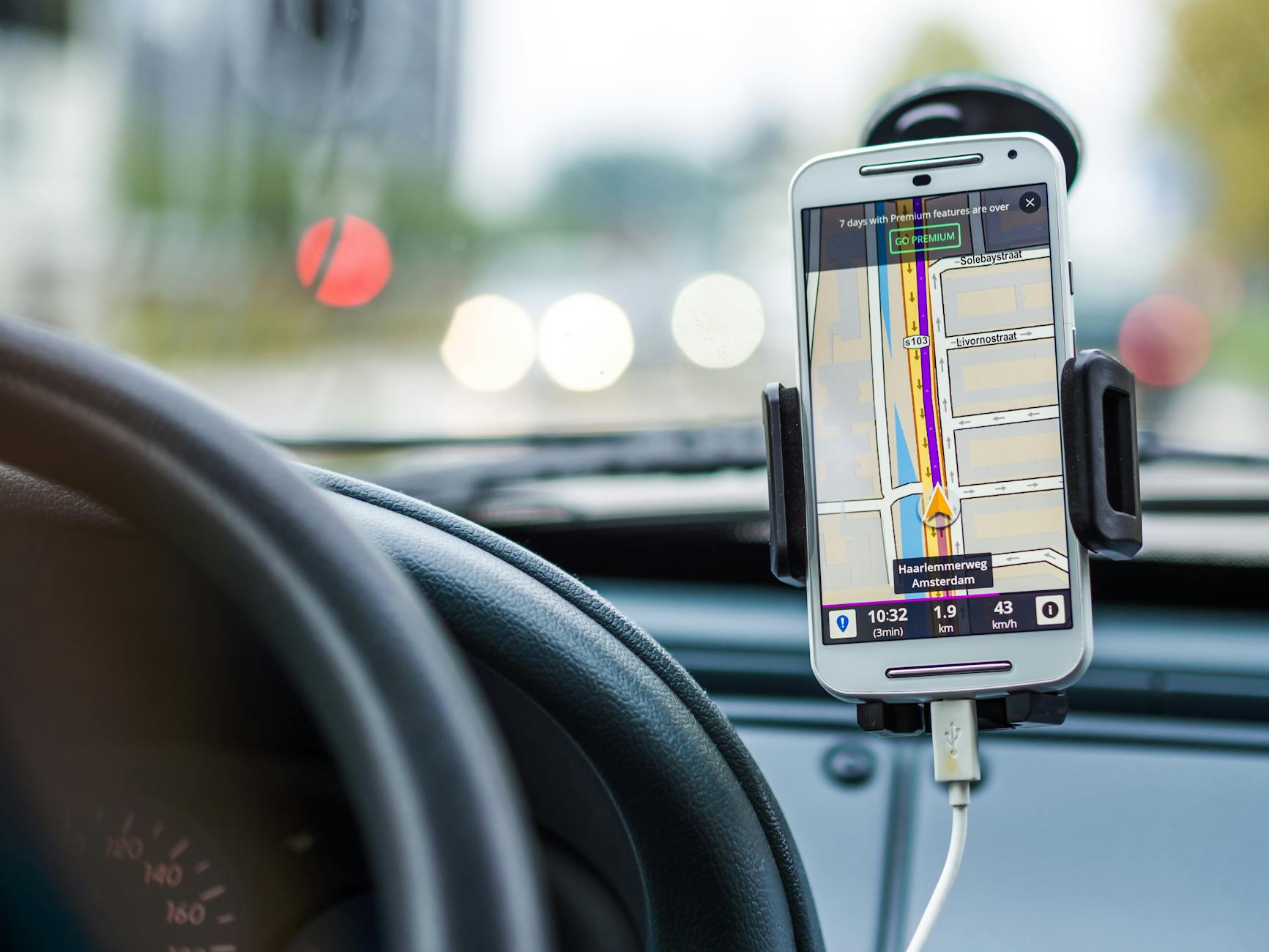
FAQ - Frequently Asked Questions
What is the difference between GPS transmitter devices and GPS trackers for fleet management?
GPS transmitter devices actively send location data to a central system, while GPS trackers typically store data locally and require physical retrieval or periodic uploads. GPS transmitters provide real-time tracking capabilities essential for live fleet monitoring, whereas basic GPS trackers offer historical location data. For fleet management, GPS transmitters are preferred because they enable immediate alerts, route optimization, and continuous vehicle monitoring.
How long do professional GPS transmitter device batteries typically last in fleet applications?
Professional GPS transmitter devices for fleet management typically feature batteries lasting 2-5 years with regular reporting intervals. Battery life depends on transmission frequency, with devices reporting every 15 minutes lasting longer than those updating every minute. Most fleet-grade devices are hardwired to vehicle power systems, eliminating battery concerns and providing continuous operation as long as the vehicle is in service.
Can GPS transmitter devices work in areas with poor cellular coverage?
GPS transmitter devices can still receive location data from satellites in areas with poor cellular coverage, but cannot transmit this information until cellular connectivity is restored. Many devices store location data locally during coverage gaps and automatically upload the information once connection is reestablished. Some advanced fleet GPS transmitters use multiple cellular networks or satellite communication as backup to ensure data transmission in remote areas.
What data privacy and security features should fleet managers look for in GPS transmitter devices?
Fleet managers should prioritize GPS transmitter devices with end-to-end encryption, secure cloud storage, and role-based access controls. Essential security features include encrypted data transmission, regular firmware updates, and compliance with industry standards like ISO 27001. Look for devices offering driver privacy modes, secure API integrations, and the ability to control data retention periods to meet regulatory requirements.

Leave a comment
This site is protected by hCaptcha and the hCaptcha Privacy Policy and Terms of Service apply.