

Key Takeaways - Transform Your Fleet Operations with Proven Management Strategies
Master these essential vehicle fleet management best practices to slash operational costs while boosting efficiency and safety across your entire fleet.
- Strategic cost optimization can reduce fleet expenses by up to 30% through data-driven maintenance scheduling and fuel management
- GPS technology integration provides real-time visibility into vehicle locations, driver behavior, and route optimization opportunities
- Compliance management systems ensure regulatory adherence while preventing costly violations and insurance claims
- Performance monitoring tools track key metrics like fuel consumption, maintenance costs, and driver safety scores for continuous improvement
These proven strategies help fleet managers make informed decisions that directly impact their bottom line and operational excellence.
Essential Fleet Management Strategies That Drive Cost Savings and Efficiency
How to Optimize Vehicle Acquisition and Right-Sizing Your Fleet
Fleet optimization starts with having the right number of vehicles performing the right tasks. Right-sizing your fleet can reduce operational costs by 15-25% while maintaining service levels. Begin by analyzing actual vehicle utilization rates over the past 12 months. Vehicles used less than 70% of available time indicate potential oversizing.
Consider lease versus purchase decisions based on your usage patterns. Leasing works best for fleets requiring newer technology or those with predictable replacement cycles. For acquisition, prioritize fuel efficiency, maintenance costs, and resale value over initial purchase price. A vehicle costing $2,000 more upfront but delivering 15% better fuel economy pays for itself within two years of typical commercial use.
Proven Preventive Maintenance Scheduling That Reduces Breakdowns by 40%
Preventive maintenance represents the most cost-effective strategy for fleet longevity. Well-maintained fleets experience 40% fewer unexpected breakdowns and extend vehicle life by 20-30%. Establish maintenance schedules based on both mileage and time intervals, whichever comes first.
Create a systematic approach covering oil changes every 5,000-7,500 miles, tire rotations every 6,000-8,000 miles, and comprehensive inspections every 15,000 miles. Track maintenance costs per vehicle to identify high-maintenance units requiring replacement. Vehicles requiring repairs exceeding 15% of their current value annually should be considered for retirement.
Strategic Route Planning and Fuel Management Systems
Route optimization delivers immediate cost savings while improving customer service. Modern GPS-based route planning reduces fuel consumption by 10-20% and increases daily capacity by up to 25%. Focus on minimizing left turns, avoiding high-traffic periods, and grouping geographically close stops.
Implement fuel management protocols including designated fuel stations, fuel card monitoring, and driver fuel efficiency training. Establish baseline fuel consumption rates for each vehicle type and monitor monthly performance. Simple changes like maintaining proper tire pressure and reducing idling time can improve fuel efficiency by 5-10%.
Complete Driver Performance Monitoring and Safety Protocols
Driver behavior directly impacts fuel costs, maintenance expenses, and insurance premiums. Implement comprehensive driver scorecards tracking speeding incidents, harsh braking, rapid acceleration, and excessive idling. Top-performing drivers typically achieve 20% better fuel economy than average performers.
Establish clear safety protocols including pre-trip inspections, defensive driving requirements, and incident reporting procedures. Regular safety training reduces accident rates by 25-35% and corresponding insurance costs. Create incentive programs rewarding safe driving practices and fuel-efficient performance. Monthly recognition for top performers encourages fleet-wide improvement and builds accountability across your team.
Fleet management strategy comparison: acquisition vs maintenance focus
| Strategy | Cost Savings | Key Action | Timeframe |
|---|---|---|---|
| Fleet Right-Sizing | 15-25% reduction | Analyze utilization rates | 12 months analysis |
| Fuel Efficiency Focus | ROI within 2 years | 15% better fuel economy | Pay-back 24 months |
| Preventive Maintenance | 40% fewer breakdowns | Scheduled maintenance intervals | 20-30% longer life |
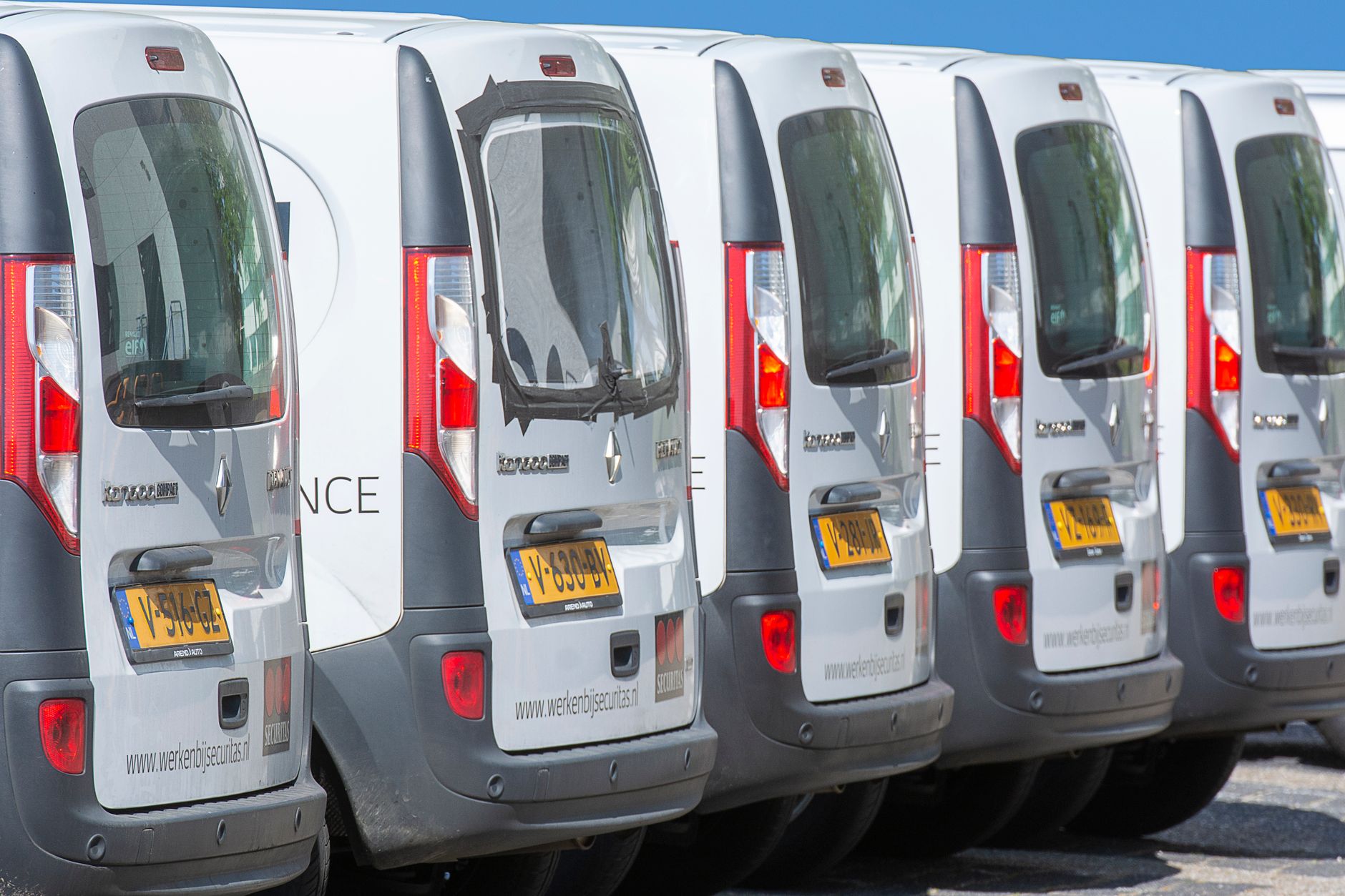
GPS Technology Integration: Modern Tools That Transform Fleet Operations
Real-Time Vehicle Tracking Systems and Geofencing Benefits
Real-time GPS tracking systems provide instant visibility into vehicle locations, routes, and status, eliminating guesswork from fleet operations. These systems update every 30 seconds to 2 minutes, allowing managers to monitor driver behavior, track deliveries, and respond quickly to emergencies or route deviations.
Geofencing technology creates virtual boundaries around specific locations like customer sites, warehouses, or service areas. When vehicles enter or exit these zones, the system automatically sends notifications and logs the activity. This feature helps verify job completion, monitor unauthorized vehicle use, and ensure drivers follow designated routes. Fleet managers report 20-30% improvements in route compliance and significant reductions in fuel costs through better route adherence.
Modern tracking systems also provide theft protection through instant alerts when vehicles move outside normal hours or designated areas. The ability to remotely disable vehicles adds an extra security layer that insurance companies often reward with lower premiums.
Advanced Fleet Analytics and Reporting Dashboards
Fleet analytics dashboards transform raw GPS data into actionable insights for decision-making. These platforms track key performance indicators including fuel consumption, idle time, speeding incidents, and maintenance schedules. Automated reports highlight trends and exceptions, making it easy to identify problem areas and opportunities for improvement.
Driver scorecards rank performance based on safety metrics like hard braking, rapid acceleration, and speed limit compliance. This data enables targeted coaching programs that improve driver behavior while reducing insurance claims and vehicle wear. Many fleet managers use these scores for driver recognition programs and safety bonuses.
Maintenance analytics predict when vehicles need service based on mileage, engine hours, and diagnostic codes. This preventive approach reduces unexpected breakdowns by 40-50% while extending vehicle lifespan. Automated maintenance reminders ensure nothing falls through the cracks, even in busy operations.
Mobile Fleet Management Apps and Driver Communication Tools
Mobile applications put fleet management capabilities directly in managers' hands, enabling oversight from anywhere. These apps provide real-time alerts, vehicle status updates, and the ability to communicate with drivers instantly. Push notifications ensure critical information reaches managers immediately, whether they're in the office or field.
Driver-facing mobile apps streamline communication and reduce administrative tasks. Drivers can receive job assignments, navigate optimized routes, and report vehicle issues without phone calls or paperwork. Digital forms for vehicle inspections, delivery confirmations, and incident reports eliminate data entry errors while creating automatic documentation trails.
Two-way messaging systems enable secure communication between dispatchers and drivers without personal phone usage. This professional communication channel improves response times, clarifies instructions, and maintains records for quality assurance and customer service purposes.

Compliance, Safety, and Performance Optimization Best Practices
Regulatory Compliance Management and Documentation Systems
Maintaining regulatory compliance protects your business from costly fines and legal issues while ensuring driver safety. Start with a simple digital filing system that tracks vehicle registrations, insurance certificates, inspection records, and driver licenses in one centralized location. Set up automatic renewal reminders at least 30 days before expiration dates to avoid lapses in coverage.
For Department of Transportation compliance, maintain accurate driver qualification files including medical certificates, driving record checks, and training documentation. Electronic logging devices become mandatory for commercial vehicles exceeding weight or distance thresholds, so verify your requirements early. Create standardized checklists for pre-trip inspections and ensure drivers complete them consistently to demonstrate due diligence in safety protocols.
Data-Driven Decision Making for Fleet Performance Improvement
Transform raw vehicle data into actionable insights that reduce costs and improve efficiency. Track key performance indicators including fuel consumption per mile, maintenance costs per vehicle, driver safety scores, and vehicle utilization rates. Modern GPS tracking systems provide this data automatically without requiring complex analytics expertise.
Focus on identifying patterns rather than isolated incidents. If fuel costs spike consistently on certain routes, investigate traffic patterns or driver behaviors contributing to inefficiency. Monthly performance reviews help spot trends early, allowing proactive corrections before problems escalate. Compare similar vehicles in your fleet to identify top performers and replicate their success factors across other units.
Use benchmark data to set realistic improvement targets. Industry standards suggest well-managed fleets achieve 10-15% fuel savings and 20% reduction in maintenance costs through data-driven optimization within the first year of implementation.
Scalable Fleet Management Processes for Growing Businesses
Build systems that accommodate growth without requiring complete overhauls as your fleet expands. Choose cloud-based management platforms that charge per vehicle rather than requiring large upfront investments. This approach allows gradual scaling while maintaining consistent processes across all vehicles regardless of fleet size.
Establish standardized procedures for vehicle acquisition, driver onboarding, and maintenance scheduling that work equally well for five vehicles or fifty. Document these processes clearly so new team members can follow them without extensive training. Create approval hierarchies that automatically route decisions to appropriate managers based on cost thresholds or fleet size.
Plan for operational complexity by implementing role-based access controls in your management systems. As teams grow, different staff members need different information access levels. Maintenance coordinators require detailed repair histories, while executives need high-level performance summaries. Scalable systems adapt user interfaces to show relevant information without overwhelming users with unnecessary data.

FAQ - Frequently Asked Questions
How many vehicles do you need to justify a fleet management system investment?
Most businesses with 5 or more vehicles can justify fleet management system costs through fuel savings, reduced maintenance expenses, and improved driver productivity. The break-even point typically occurs within 6-12 months for fleets of this size. Smaller fleets of 2-4 vehicles may benefit from basic GPS tracking solutions, while larger fleets of 20+ vehicles see the most dramatic ROI improvements.
What are the most common fleet management mistakes that increase operational costs?
The biggest fleet management mistakes include inadequate vehicle maintenance scheduling, poor route optimization, and lack of driver behavior monitoring. Many companies also fail to analyze fuel consumption patterns and neglect regular vehicle inspections. These oversights typically increase operational costs by 15-25% and lead to unexpected breakdowns and safety incidents.
Which fleet management KPIs should you track to measure success effectively?
Essential fleet management KPIs include fuel efficiency (miles per gallon), vehicle utilization rates, maintenance costs per mile, and driver safety scores. Additional critical metrics are on-time delivery rates, idle time percentages, and total cost of ownership per vehicle. Tracking these KPIs monthly allows fleet managers to identify trends and make data-driven optimization decisions.
How can small businesses compete with enterprise-level fleet management capabilities?
Small businesses can leverage cloud-based fleet management software that offers enterprise features at affordable monthly rates without large upfront investments. Many modern platforms provide scalable solutions starting at $20-40 per vehicle per month, including GPS tracking, maintenance scheduling, and driver monitoring. Partnering with local maintenance providers and using mobile apps for driver communication can further level the playing field against larger competitors.


Leave a comment
This site is protected by hCaptcha and the hCaptcha Privacy Policy and Terms of Service apply.