
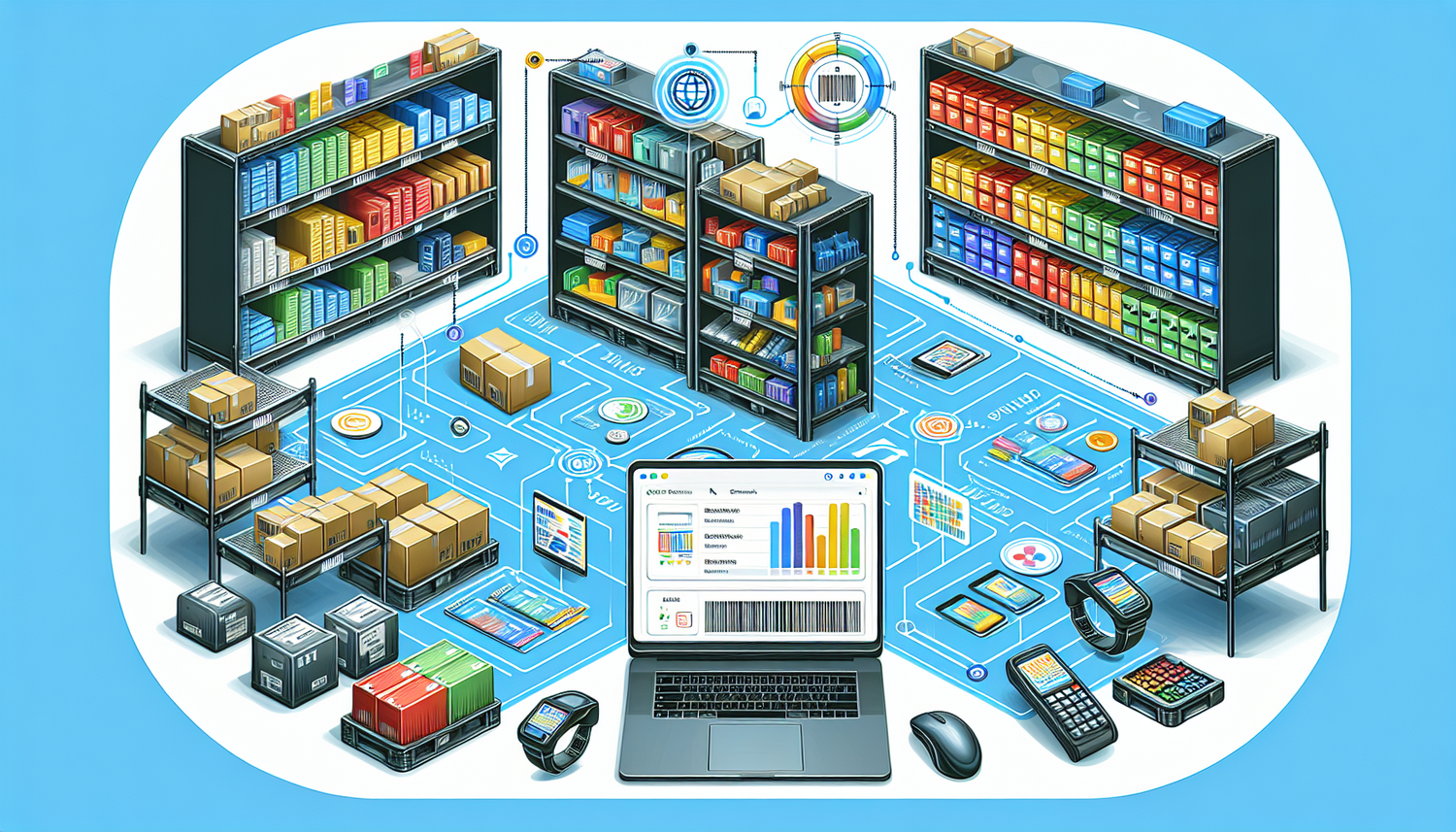
Introduction
In today's fast-paced business environment, fleet managers are constantly seeking ways to enhance efficiency and reduce costs. One of the most effective strategies is integrating asset tracking systems with inventory management. This integration not only helps in tracking assets more accurately but also optimises the entire supply chain process. Fleet managers can expect to see improved asset visibility, reduced operational costs, and enhanced decision-making capabilities. In this article, we will explore the benefits of this integration, the key technologies involved, and how it can revolutionise fleet management operations. Let's delve into the details below.
Summary
- Introduction
- Benefits of Integrating Asset Tracking with Inventory Systems
- Key Technologies for Successful Integration
- Implementation Challenges and Solutions
- Case Studies: Successful Integrations
- Conclusion
- FAQ
Benefits of Integrating Asset Tracking with Inventory Systems
Integrating asset tracking with inventory systems offers numerous advantages that can significantly enhance fleet management operations. This section will explore these benefits in detail, providing insights into how this integration can lead to operational excellence.

Enhanced Asset Visibility
The integration of asset tracking with inventory systems provides real-time visibility into the location and status of assets. By using technologies such as GPS fleet tracking and RFID asset tracking, fleet managers can monitor assets remotely, ensuring they are where they should be at all times. This visibility reduces the risk of asset loss and improves accountability across the fleet. Moreover, it enables proactive management of assets, allowing managers to allocate resources more effectively and respond swiftly to any discrepancies. How Many Hours Can a HGV Driver Work a Week? This real-time data is crucial for making informed decisions and optimising asset utilisation.
Improved Operational Efficiency
By integrating asset tracking with inventory systems, organisations can streamline their operations and eliminate manual processes. The automation of asset check-in and check-out processes minimises human error and reduces the time spent on administrative tasks. This integration also facilitates seamless communication between departments, ensuring that everyone has access to up-to-date asset information. As a result, fleet managers can plan maintenance schedules more effectively, reducing downtime and extending the lifespan of assets. This efficiency translates into significant cost savings and improved service delivery to customers.
Cost Reduction and ROI
One of the most compelling advantages of integrating asset tracking with inventory systems is the potential for cost reduction. By reducing asset losses and optimising asset utilisation, organisations can lower their operational expenses. Additionally, the improved efficiency resulting from this integration leads to reduced labour costs and better resource allocation. The use of asset tracking systems also provides valuable data that can be used to calculate the return on investment, demonstrating the financial benefits of this integration. Fleet managers can leverage this data to justify further investments in advanced technologies, ultimately driving business growth and sustainability.
Key Technologies for Successful Integration
For successful integration of asset tracking with inventory systems, understanding the key technologies involved is essential. This section will highlight the technologies that facilitate seamless integration and enhance fleet management capabilities.

RFID and Barcode Systems
RFID and barcode systems are fundamental technologies for asset tracking and inventory management. These systems provide unique identifiers for each asset, enabling precise tracking and management. RFID asset tracking, in particular, offers the advantage of non-line-of-sight scanning, making it ideal for tracking assets in challenging environments. By integrating these systems with inventory management, fleet managers can ensure accurate asset records and streamline the check-in/check-out process. This integration reduces the risk of human error and enhances the accuracy of inventory data, leading to better decision-making and operational efficiency.
GPS Tracking Systems
GPS tracking systems play a crucial role in providing real-time location data for assets. These systems enable fleet managers to monitor the movement of assets across various locations, ensuring timely deliveries and reducing the risk of theft or loss. By integrating GPS tracking with inventory systems, organisations can enhance their asset management capabilities and improve supply chain visibility. This integration also supports route optimisation, enabling fleet managers to plan efficient routes and reduce fuel consumption. null The combination of GPS tracking and inventory management creates a powerful toolset for optimising fleet operations and achieving operational excellence.
Cloud-Based Inventory Management Software
Cloud-based inventory management software provides a flexible and scalable solution for integrating asset tracking with inventory systems. This software enables real-time data access and collaboration across multiple locations, enhancing operational efficiency and decision-making. By leveraging cloud technology, organisations can reduce infrastructure costs and ensure data security. Cloud-based solutions also offer the advantage of seamless updates and scalability, allowing businesses to adapt to changing needs and expand their operations effortlessly. The integration of cloud-based inventory management with asset tracking systems empowers fleet managers to achieve higher levels of efficiency and productivity in their operations.
Challenges in Asset Tracking and Inventory System Integration
Integrating asset tracking with inventory systems can be a transformative step for any organisation. However, it is not without its challenges. Successfully merging these technologies requires a deep understanding of both systems and the potential obstacles that might arise.

Sous-section 3.1
One of the primary challenges in asset tracking integration is data compatibility. Many organisations use legacy systems for inventory management that might not seamlessly connect with modern asset tracking technologies. This can result in data silos, where information is not easily shared between systems, leading to inefficiencies and errors. A solution to this challenge involves using middleware that can translate and synchronise data between disparate systems, ensuring that all departments have access to up-to-date information.
Sous-section 3.2
Another significant challenge is the human factor. Employees need to adapt to new technologies and processes, which can often meet with resistance. Training sessions are essential to help staff understand the benefits of integration and how it can make their tasks easier. In some cases, involving staff in the selection process of new technologies, like GS900 GPS Tracker, can increase buy-in and ease the transition. Ensuring a user-friendly interface also plays a critical role in successful adoption.
Sous-section 3.3
Security concerns represent another hurdle in the integration process. As data from multiple sources are consolidated, the risk of data breaches increases. Implementing robust security measures, such as encryption and regular security audits, is essential. Moreover, selecting reputable asset tracking solutions that offer advanced security features can help mitigate these risks. It is crucial to incorporate security best practices within the fleet management software to protect sensitive information.
Effective Strategies for Seamless Integration
Overcoming the challenges of integrating asset tracking with inventory systems requires strategic planning and execution. By implementing effective strategies, organisations can ensure a smooth and efficient integration process.

Sous-section 4.1
To begin with, conducting a comprehensive needs assessment is crucial. This involves evaluating the current asset tracking and inventory systems, identifying gaps, and understanding the specific needs of the organisation. Such an assessment helps in selecting the most suitable solutions, such as a range of professional GPS trackers, that align with operational goals and infrastructure.
Sous-section 4.2
Another effective strategy is to leverage cloud-based solutions. Cloud technology offers flexibility, scalability, and real-time data access, making it easier to integrate various systems. By using cloud-based asset tracking software, organisations can ensure that data is accessible from anywhere, facilitating better decision-making and coordination across departments.
Sous-section 4.3
Lastly, it is essential to establish clear communication channels between all stakeholders involved in the integration process. Regular meetings and updates ensure that everyone is on the same page and that potential issues are addressed promptly. Collaborative platforms can aid in maintaining transparency and accountability, leading to a more effective integration process.
For fleets looking for GPS trackers designed to fit real operational conditions, the Transpoco GPS Tracker collection provides a practical example of solutions built for day-to-day fleet management.
Conclusion
Integrating asset tracking with inventory systems can revolutionise operational efficiency, but it requires careful planning and execution. By addressing the challenges and implementing effective strategies, organisations can successfully realise the benefits of integration. Key points to remember include:
- Understanding data compatibility issues and employing middleware solutions.
- Providing comprehensive training to ease the transition for employees.
- Ensuring robust security measures to protect sensitive data.
- Leveraging cloud-based solutions for flexibility and scalability.
- Maintaining clear communication channels for seamless coordination.
Ultimately, the integration of these systems streamlines operations and enhances productivity. Organisations should continually assess and adapt their strategies to ensure the longevity and success of their asset tracking and inventory systems. We encourage fleet managers to explore various solutions, including those offered by Transpoco, to find the best fit for their unique needs.
📚 Frequently Asked Questions about Asset Tracking Integration with Inventory Systems
What are the benefits of integrating asset tracking with inventory systems?
Integrating asset tracking with inventory systems offers numerous benefits, such as improved accuracy in inventory counts, real-time asset location tracking, and enhanced operational efficiency. By synchronizing data between the two systems, companies can reduce the risk of stockouts or overstocking, thus optimizing supply chain management. Additionally, having a unified system allows for better decision-making and resource allocation, ultimately leading to cost savings and increased productivity. This integration is particularly valuable in industries reliant on precise inventory management, such as retail, manufacturing, and logistics.
How does asset tracking technology improve inventory system integration?
Asset tracking technology, such as RFID and GPS tracking, improves inventory system integration by providing real-time data on asset location and status. These technologies enable automated data collection, reducing manual entry errors and streamlining processes. As a result, businesses can achieve greater visibility over their assets and inventory levels, facilitating more accurate and timely decision-making. The integration of asset tracking with inventory systems ensures that all relevant data is centralized, allowing for seamless communication between departments and enhancing overall operational efficiency.
What challenges might arise when integrating asset tracking with inventory systems?
Integration of asset tracking with inventory systems can present several challenges, including compatibility issues between different software platforms, data integration complexities, and the need for substantial initial investment. Companies may also encounter resistance to change from employees accustomed to existing systems. Addressing these challenges requires careful planning, choosing compatible technologies, and providing adequate training to staff. By overcoming these obstacles, businesses can fully leverage the benefits of integrated systems, such as improved data accuracy and operational efficiency.
What are the key technologies for successful integration of asset tracking and inventory systems?
Key technologies that facilitate successful integration of asset tracking and inventory systems include RFID tags, GPS tracking devices, and cloud-based software solutions. RFID technology enables automatic identification and tracking of assets, while GPS devices provide precise location data. Cloud-based software allows for centralized data management and real-time updates accessible from anywhere. By utilizing these technologies, organizations can create a seamless connection between asset tracking and inventory systems, leading to enhanced accuracy and efficiency in supply chain management.
Can small businesses benefit from asset tracking integration with inventory systems?
Yes, small businesses can greatly benefit from integrating asset tracking with inventory systems. This integration allows small businesses to achieve precise inventory management, reduce wastage, and optimize resource allocation. It also provides real-time insights into asset utilization, enabling informed decision-making. While the initial investment might seem significant, the long-term benefits, such as cost savings and enhanced operational efficiency, typically outweigh the costs. Small businesses can start with scalable solutions that fit their budget and expand as their needs grow.
How can companies ensure a seamless integration of asset tracking and inventory systems?
To ensure seamless integration of asset tracking and inventory systems, companies should follow a few strategic steps. First, assess existing systems and identify integration points. Next, select compatible technologies that fit their operational needs. Implement a phased integration approach to minimize disruptions and allow for gradual adjustment. Providing comprehensive training to staff is crucial to ensure smooth transition and adoption. Regularly review and update systems to address any issues promptly and maintain optimal functionality. By following these strategies, businesses can effectively integrate these systems for enhanced efficiency.
Is RFID technology better than GPS for asset tracking?
The choice between RFID and GPS technology for asset tracking depends on specific business needs. RFID is ideal for environments requiring detailed inventory tracking within confined spaces, such as warehouses. It offers automated, high-volume data capture with minimal human intervention. GPS, on the other hand, is suitable for tracking assets over large geographic areas, providing real-time location data. Companies should evaluate their operational requirements, scale, and budget to determine the most suitable technology for their asset tracking and inventory systems.
How quickly can a business expect to see ROI from integrating asset tracking with inventory systems?
The timeframe for realizing ROI from integrating asset tracking with inventory systems varies depending on the scale of implementation and industry. However, many businesses begin to see benefits within the first year, such as reduced inventory errors, improved asset utilization, and cost savings from optimized operations. By enhancing supply chain efficiency, companies can reduce operational costs and increase profitability. Continual monitoring and adjustment of systems can further expedite ROI, ensuring that the integration remains aligned with business goals and market demands.


Hinterlasse einen Kommentar
Diese Website ist durch hCaptcha geschützt und es gelten die allgemeinen Geschäftsbedingungen und Datenschutzbestimmungen von hCaptcha.