
Key Takeaways - The Fleet Revolution Is Here
Fleet management trends in 2026 are driving unprecedented transformation across transportation industries, with cutting-edge innovations reshaping how businesses operate their vehicle fleets.
- AI-powered predictive analytics are revolutionizing maintenance scheduling and reducing operational costs by up to 30%.
- Electric and autonomous vehicle integration is accelerating as fleets transition toward sustainable, self-driving transportation solutions.
- Real-time IoT connectivity enables instant vehicle tracking, driver behavior monitoring, and dynamic route optimization.
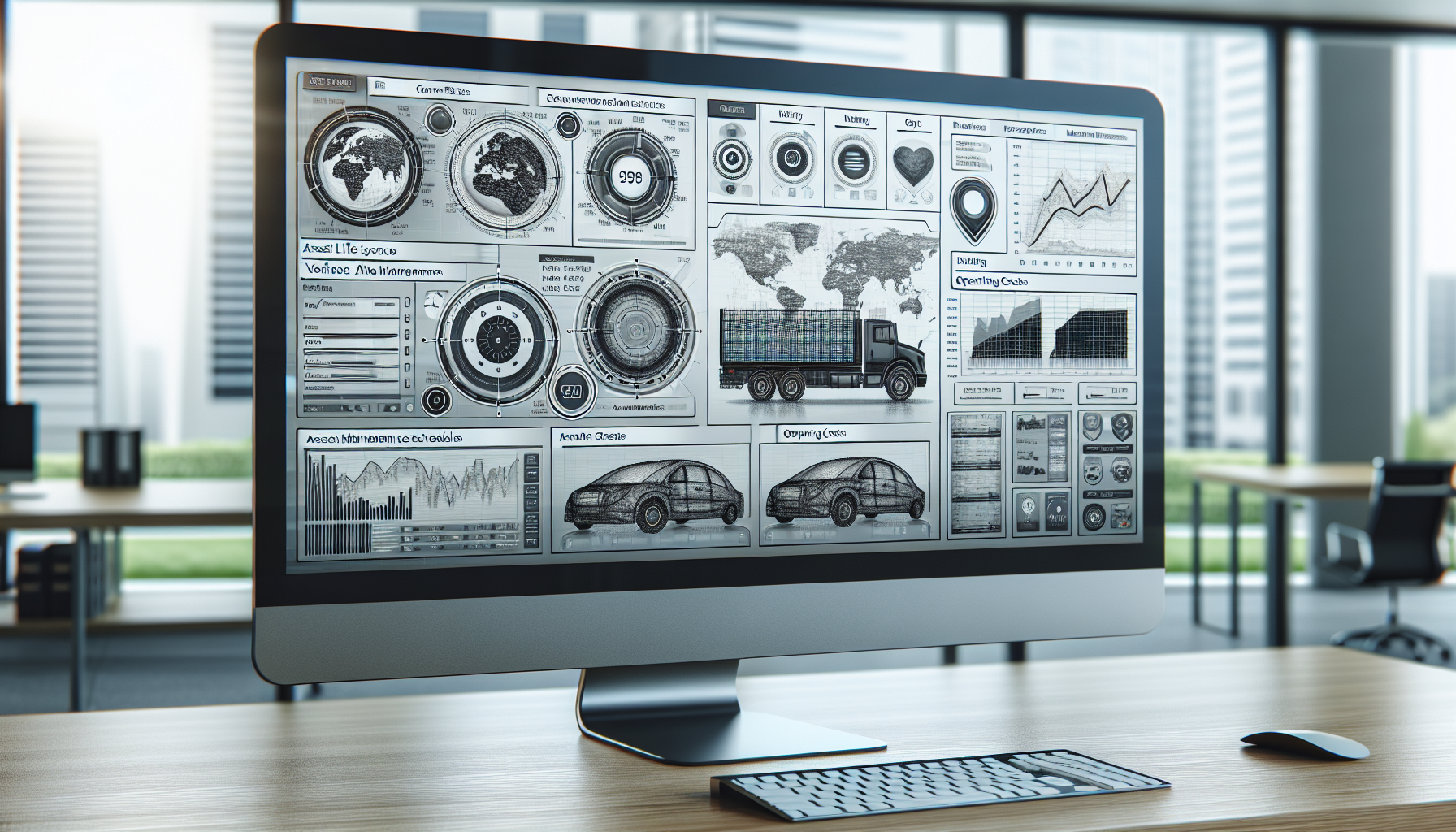
- Advanced telematics platforms provide comprehensive fleet visibility through integrated dashboards and automated reporting systems.
These innovations are creating competitive advantages for early adopters while fundamentally changing fleet operations efficiency and profitability.
Revolutionary Technologies Transforming Fleet Operations in 2026
The fleet management landscape is experiencing unprecedented transformation as three breakthrough technologies converge to create smarter, more efficient operations. These innovations are moving beyond experimental phases into practical, cost-effective solutions that deliver measurable results for both individual vehicle owners and large fleet operators.
AI-Powered Predictive Analytics and Smart Decision Making
Artificial intelligence is revolutionizing how fleet managers anticipate problems before they occur. Modern AI systems analyze patterns from vehicle sensors, maintenance records, and driver behavior to predict when components will fail, often weeks in advance. This capability transforms reactive maintenance into proactive planning.
Fleet operators are seeing dramatic cost reductions through AI implementation. Delivery companies report 25-30% fewer unexpected breakdowns when using predictive analytics to schedule maintenance. The technology examines oil quality, brake wear, tire pressure trends, and engine performance data to create precise maintenance schedules tailored to each vehicle's actual usage patterns rather than generic time intervals.
Smart routing algorithms powered by AI are equally transformative. These systems consider real-time traffic, weather conditions, fuel prices, and delivery windows to optimize routes dynamically. Small businesses with just five vehicles report fuel savings of 15-20% within the first quarter of implementation.
5G-Connected Vehicle Networks and Real-Time Data Integration
The rollout of 5G networks enables unprecedented connectivity between vehicles and management systems. Ultra-low latency communication allows fleet managers to monitor vehicle status, driver performance, and cargo conditions in real-time with data updates occurring every few seconds rather than minutes.
This enhanced connectivity transforms safety management through instant alerts for harsh braking, rapid acceleration, or route deviations. Fleet managers can immediately contact drivers to address safety concerns or provide alternative routing instructions. Emergency response times improve significantly when accidents trigger automatic notifications with precise GPS coordinates and vehicle details.
Cargo monitoring reaches new levels of precision through 5G connectivity. Temperature-sensitive shipments, valuable goods, and hazardous materials benefit from continuous monitoring with immediate alerts for any deviation from specified parameters.
Edge Computing Solutions for Instant Fleet Intelligence
Edge computing brings data processing directly to vehicles, eliminating delays associated with cloud-based systems. On-board processing units analyze critical data instantly, making split-second decisions about engine performance, safety systems, and route optimization without waiting for external server responses.
This technology proves especially valuable in areas with limited internet connectivity. Rural delivery routes and remote work sites benefit from vehicles that continue intelligent operations even when connection to central systems becomes intermittent. Local data processing ensures continuous fleet intelligence regardless of network availability.
The combination of these three technologies creates synergistic effects that multiply their individual benefits, positioning forward-thinking fleet operators for significant competitive advantages in 2026.
Key fleet management technologies and their primary benefits in 2026
| Technology | Primary Benefit | Cost Savings | Implementation Status |
|---|---|---|---|
| AI Predictive Analytics | Prevents unexpected breakdowns | 25-30% fewer failures | Practical deployment phase |
| Smart Routing Systems | Optimizes route efficiency | 15-20% fuel savings | Cost-effective solutions |
| IoT Sensors | Real-time vehicle monitoring | Proactive maintenance planning | Measurable results delivered |

Next-Generation Vehicle Technologies Reshaping Fleet Composition
Vehicle technology advancements are fundamentally changing how fleet managers approach vehicle selection and operational planning. These emerging technologies offer significant cost savings and efficiency gains for both small fleets and large operations willing to adapt their strategies.
Advanced Electric Vehicle Integration and Infrastructure Planning
Electric vehicle adoption in fleets has moved beyond early experimentation to practical implementation. Modern EVs offer lower total cost of ownership through reduced fuel and maintenance expenses, while improved battery technology extends range to meet most fleet requirements.
Successful EV integration requires strategic infrastructure planning. Fleet managers should evaluate charging station placement at depots, consider overnight charging schedules to reduce peak demand costs, and analyze route patterns to identify the best candidates for electrification. Government incentives and utility rebates continue to make EV adoption financially attractive through 2026.
Semi-Autonomous Fleet Capabilities and Safety Enhancements
Semi-autonomous features like adaptive cruise control, automatic emergency braking, and lane-keeping assistance are becoming standard equipment rather than premium options. These technologies deliver immediate safety benefits and insurance savings while preparing fleets for future automation.
Fleet managers can expect reduced accident rates, lower insurance premiums, and improved driver satisfaction from vehicles equipped with advanced driver assistance systems. The technology also provides valuable data on driver behavior and vehicle performance, enabling more targeted training programs and maintenance scheduling.
Hydrogen Fuel Cell Adoption for Long-Haul Operations
Hydrogen fuel cell vehicles are emerging as a viable solution for long-distance routes where electric vehicles face range limitations. These vehicles offer zero emissions with diesel-like range and refueling times, making them particularly attractive for freight and delivery operations.
While hydrogen infrastructure remains limited, strategic partnerships between fleet operators and fuel providers are expanding availability along major transportation corridors. Early adopters benefit from government incentives and position themselves advantageously as hydrogen infrastructure develops.
Smart Vehicle-to-Everything (V2X) Communication Systems
V2X technology enables vehicles to communicate with infrastructure, other vehicles, and traffic management systems in real time. This connectivity improves traffic flow, reduces fuel consumption, and enhances safety through predictive hazard warnings and optimized routing.
Fleet managers can leverage V2X data to make informed decisions about route planning, driver scheduling, and vehicle deployment. The technology also supports predictive maintenance by continuously monitoring vehicle health and performance metrics, reducing unexpected breakdowns and extending vehicle lifecycles.
Strategic Fleet Management Innovations for Competitive Advantage
Fleet managers in 2026 are leveraging three breakthrough innovations that deliver measurable competitive advantages while maintaining cost effectiveness. These strategic technologies transform operations from reactive maintenance to proactive optimization.
Dynamic Route Optimization Using Machine Learning Algorithms
Modern route optimization goes far beyond basic GPS navigation. Machine learning algorithms now analyze historical traffic patterns, weather conditions, and delivery windows to create routes that adapt in real time. These systems learn from every trip, continuously improving efficiency.
Smart routing platforms reduce fuel consumption by up to 20% while improving on-time deliveries. The technology considers factors like driver preferences, vehicle specifications, and customer priority levels. Fleet managers report significant improvements in driver satisfaction as routes become more logical and efficient.
Implementation requires minimal upfront investment. Most solutions integrate with existing GPS systems and provide immediate feedback through mobile apps. Drivers receive turn-by-turn directions that automatically adjust based on current conditions, eliminating guesswork and reducing stress.
Integrated Sustainability Metrics and Carbon Footprint Management
Sustainability tracking has evolved from simple fuel monitoring to comprehensive environmental impact measurement. Modern fleet management systems automatically calculate carbon emissions, track fuel efficiency trends, and identify optimization opportunities across entire operations.
These platforms provide detailed reporting that helps fleet managers meet environmental compliance requirements while reducing operational costs. The systems track metrics including idle time, acceleration patterns, and route efficiency to highlight areas for improvement.
Cost savings often exceed environmental benefits. Fleets using integrated sustainability metrics report average fuel cost reductions of 15-25%. The data helps identify vehicles requiring maintenance, drivers needing additional training, and routes requiring optimization. Many insurance companies now offer reduced premiums for fleets demonstrating strong sustainability practices.
Advanced Driver Coaching Through Behavioral Analytics
Driver coaching technology has transformed from basic scorecards to sophisticated behavioral analysis systems. These platforms identify specific driving patterns that impact safety, fuel efficiency, and vehicle maintenance costs while providing personalized improvement recommendations.
Modern coaching systems use telematics data to create individualized training programs. Instead of generic safety reminders, drivers receive targeted feedback on specific behaviors like harsh braking, rapid acceleration, or excessive idling. The technology gamifies improvement through achievement badges and peer comparisons.
Results speak for themselves. Fleets implementing advanced driver coaching report 30-40% reductions in accident rates and significant decreases in vehicle wear. Insurance costs drop as safety records improve, while fuel efficiency gains compound over time. The systems also help identify top-performing drivers who can mentor others, creating a culture of continuous improvement throughout the organization.

FAQ - Frequently Asked Questions
What is the most impactful fleet management trend for 2026?
AI-powered predictive analytics will be the most impactful fleet management trend for 2026. This technology enables fleet managers to predict vehicle maintenance needs, optimize routes in real-time, and reduce operational costs by up to 25%. The integration of machine learning algorithms with telematics data creates unprecedented visibility into fleet performance and driver behavior.
How will AI change fleet management operations by 2026?
AI will automate critical fleet decisions including predictive maintenance scheduling, dynamic route optimization, and real-time fuel efficiency improvements. Fleet managers will rely on AI-driven insights to reduce vehicle downtime by 40% and enhance driver safety through behavioral analysis. Machine learning algorithms will also enable autonomous fleet dispatching and intelligent resource allocation based on demand patterns.
What should fleet managers prioritize when preparing for 2026 trends?
Fleet managers should prioritize investing in integrated telematics platforms, electric vehicle infrastructure, and AI-powered analytics tools. Building driver training programs focused on new technologies and sustainability practices is equally important. Establishing partnerships with technology vendors and developing data management capabilities will ensure successful implementation of emerging fleet management solutions.
Which fleet management trends will provide the highest ROI in 2026?
Predictive maintenance systems and electric vehicle adoption will deliver the highest ROI in 2026, with potential cost savings of 30-45% in maintenance and fuel expenses. AI-driven route optimization and real-time fleet monitoring also provide substantial returns through reduced fuel consumption and improved productivity. These technologies typically pay for themselves within 12-18 months through operational efficiency gains.
Hinterlasse einen Kommentar
Diese Website ist durch hCaptcha geschützt und es gelten die allgemeinen Geschäftsbedingungen und Datenschutzbestimmungen von hCaptcha.