
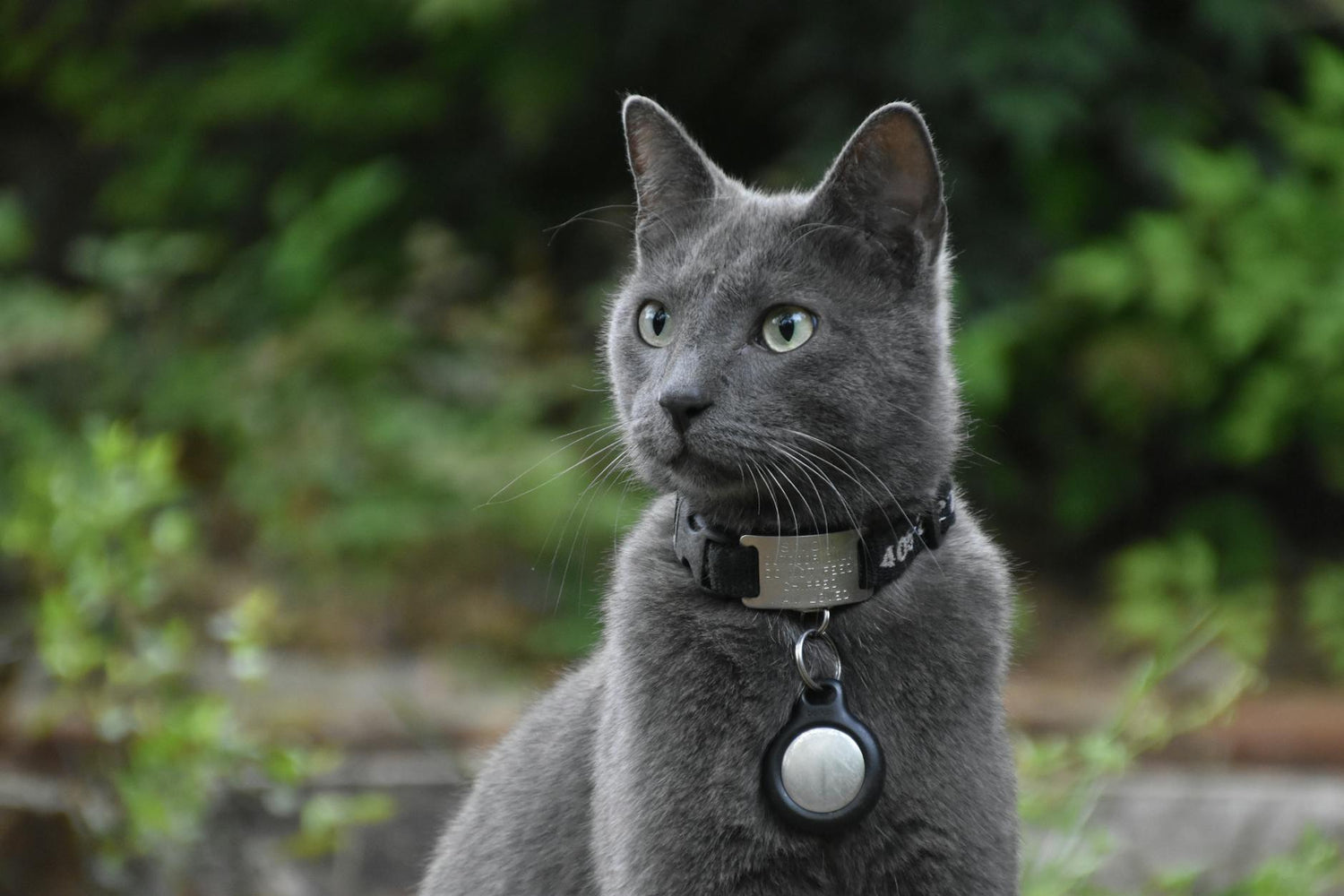
Key Takeaways - Freedom to Roam: Smart Ways to Track Your Cat Without a Collar
Discover innovative solutions that let you monitor your feline friend's whereabouts while respecting their natural preference for unrestricted movement.
- Microchip implants provide permanent identification that can't be lost or removed by your cat.
- GPS tracker harnesses offer real-time location data without the restrictions of traditional collars.
- Smart home cameras and motion sensors create a monitoring network around your property's key areas.
- Bluetooth tracking tags attached to existing accessories work within shorter ranges for neighborhood monitoring.
Each method offers unique advantages depending on your cat's lifestyle, from indoor adventurers to outdoor explorers, ensuring you'll find the perfect collar-free tracking solution.
7 Proven Methods to Track Your Cat Without Traditional Collars
Many cats resist traditional collars, but that doesn't mean you can't monitor their whereabouts effectively. These seven proven methods offer reliable alternatives that work for individual pet owners and those managing multiple cats across larger properties.
GPS Implant Microchips with Real-Time Tracking
The newest generation of implantable GPS microchips represents a breakthrough in collar-free tracking. Unlike standard identification microchips, these devices provide real-time location data through cellular networks. The Whistle Health GPS implant offers 24-hour battery life and updates location every 60 seconds when your cat is moving.
For fleet managers overseeing barn cats or multiple outdoor cats, these implants eliminate the maintenance headaches of collar replacements. Battery optimization occurs automatically through smart power management that reduces GPS polling when cats remain stationary for extended periods.
Harness-Based GPS Trackers for Collar-Averse Cats
Cats that reject collars often accept well-fitted harnesses, especially when introduced gradually. The Tractive GPS Cat Harness and Fi Series 3 Cat Harness distribute weight across the chest rather than concentrating it around the neck. These systems typically provide 2-5 day battery life depending on activity levels and update frequency settings.
Fleet management becomes streamlined when you standardize on a single harness system. Set all devices to update every 5 minutes for active monitoring, or extend to 15-minute intervals for battery conservation during routine operations.
Smart Camera Networks and Motion Detection Systems
Strategic placement of motion-activated cameras creates comprehensive monitoring zones without requiring any device on your cat. The Reconyx HyperFire and Stealth Cam systems offer 6-month battery life and instant smartphone alerts when cats trigger motion sensors.
Position cameras at key transit points: property boundaries, favorite resting spots, and feeding areas. For larger operations, establish overlapping coverage zones to track movement patterns and identify potential escape routes or hazards.
Bluetooth Beacon Technology for Indoor/Outdoor Monitoring
Bluetooth beacons attached to quick-release safety breakaway attachments provide an innovative compromise solution. The Tile Mate and Apple AirTag systems work within 200-400 foot ranges and leverage community finding networks for extended coverage.
These lightweight devices excel in mixed indoor/outdoor environments where cats spend time near buildings. Battery life extends 12-18 months, and the breakaway safety feature ensures cats won't become trapped if the beacon catches on obstacles. For multiple cat operations, beacon networks create overlapping coverage that improves overall tracking reliability while maintaining individual cat safety.
Comparison of collar-free cat tracking methods and their key features
| Method | Battery Life | Update Frequency | Best For |
|---|---|---|---|
| GPS Implant Microchips | 24 hours | Every 60 seconds | Multiple outdoor cats |
| Harness-Based GPS Trackers | 2-5 days | Variable settings | Collar-averse cats |

Professional Implementation: Fleet Management Techniques for Pet Tracking
Fleet managers excel at tracking multiple assets efficiently and cost-effectively. These same professional techniques can transform your pet tracking approach, whether you're monitoring one cat or managing multiple pets across a household.
Setting Up Geofencing and Alert Systems Like Commercial Fleets
Commercial fleet operators rely on geofencing technology to monitor vehicle boundaries and receive instant alerts when assets move outside designated areas. Apply this proven methodology to your cat tracking system by establishing virtual boundaries around your property.
Most GPS tracking apps allow you to create circular or polygon-shaped safe zones around your home. Set up multiple geofence layers for comprehensive coverage: a primary zone covering your immediate property, a secondary zone extending to neighboring blocks, and an expanded zone covering your general neighborhood.
Configure your alert system to send immediate notifications when your cat crosses these boundaries. Fleet managers typically use escalating alert protocols, starting with SMS notifications for minor boundary crossings and phone calls for extended departures. This layered approach prevents alert fatigue while ensuring you never miss critical movements.
Battery Management and Maintenance Schedules
Fleet operations depend on preventive maintenance schedules to avoid costly downtime. Apply this discipline to your pet tracking devices by establishing regular maintenance routines.
Create a weekly battery check schedule, testing device charge levels every Sunday evening. Most tracking devices provide battery status through their companion apps. Replace or recharge devices when battery levels drop below 30 percent to ensure continuous coverage.
Maintain backup tracking methods during device maintenance periods. Fleet managers always have contingency plans when primary tracking systems require servicing. Keep a secondary GPS tracker charged and ready, or ensure your surveillance cameras and motion sensors remain operational during device downtime.
Document your maintenance activities in a simple log, noting battery replacement dates, device performance issues, and any tracking gaps. This data helps identify patterns and optimize your maintenance schedule.
Data Analytics and Movement Pattern Recognition
Professional fleet management relies heavily on data analysis to optimize routes and predict maintenance needs. Apply these analytical techniques to understand your cat's behavior patterns and improve tracking effectiveness.
Review your tracking data weekly to identify consistent patterns. Most cats follow predictable routines, visiting the same locations at similar times each day. Map these regular routes and frequent destinations to better understand your cat's territory and habits.
Track key metrics including average daily distance traveled, time spent in different zones, and seasonal behavior changes. Fleet managers use similar data points to optimize operations and predict future needs. This information helps you anticipate your cat's movements and position backup tracking methods more effectively.
Use historical data to establish baseline behaviors, making it easier to identify unusual activity that might indicate your cat is lost, injured, or trapped somewhere.

Choosing the Right Collar-Free Solution for Your Cat's Lifestyle
Indoor vs Outdoor Cats: Matching Technology to Environment
Your cat's living situation determines which tracking technology will work best. Indoor cats benefit most from Bluetooth trackers and smart cameras placed near doors and windows. These cats typically stay within a 100-foot radius of your home, making short-range Bluetooth tags highly effective for detecting escape attempts or finding hiding spots.
Outdoor cats require more robust solutions. Implantable GPS chips offer the widest coverage area but come with higher costs and surgical requirements. Motion-activated cameras work well for cats that follow predictable outdoor routes, while smartphone apps excel at coordinating neighborhood search efforts when cats wander beyond their usual territory.
Consider your cat's personality when selecting technology. Skittish cats may avoid areas with visible cameras, while social cats respond well to community-based tracking through neighbor networks and apps.
Cost Analysis and ROI Comparison Across Methods
Budget-conscious pet owners should evaluate both upfront and ongoing costs. Bluetooth trackers offer the lowest entry point at $25-50 with battery replacement every 6-12 months. Smart cameras require $100-300 initially but provide years of service with minimal maintenance costs.
Implantable GPS devices represent the highest investment at $200-500 plus veterinary fees, but offer unmatched reliability and no ongoing subscription costs. Traditional microchips cost only $45-75 including implantation, making them excellent insurance against permanent loss.
Calculate your return on investment by considering your cat's escape frequency and local veterinary costs. A single overnight emergency vet visit often exceeds the cost of most tracking solutions, making even premium options financially sensible for escape-prone cats.
Integration with Smart Home Systems and Mobile Apps
Modern tracking solutions integrate seamlessly with existing smart home ecosystems. Bluetooth trackers connect directly to iOS Find My networks and Android equivalents, leveraging millions of smartphones to locate your cat across entire cities.
Smart cameras integrate with home security systems, sending instant alerts when cats enter or exit designated areas. Many systems allow customized notifications based on time of day, helping you monitor unusual activity patterns without constant manual checking.
Mobile apps serve as central command centers for multi-method tracking approaches. Use apps to coordinate with neighbors, log sighting reports, and manage multiple tracking devices simultaneously. The most effective setups combine 2-3 complementary technologies managed through a single smartphone interface.
Choose systems that offer offline functionality and local data storage to ensure tracking continues even during internet outages or cellular service interruptions.

FAQ - Frequently Asked Questions
How accurate are collar-free tracking methods compared to traditional GPS collars?
Collar-free tracking methods like GPS implants and harness-based trackers offer similar accuracy to traditional GPS collars, typically within 3-5 meters. Bluetooth trackers and RFID tags have shorter ranges but provide precise location data within 30-100 feet. The main difference is that collar-free options may have slightly reduced signal strength due to positioning constraints, but modern technology has largely minimized this gap.
Can GPS implants harm my cat or cause health issues?
Current GPS implant technology is still largely experimental and not widely available for consumer use due to safety concerns. While RFID microchips are proven safe, GPS implants require larger batteries and components that could potentially cause tissue irritation or migration. Most veterinarians recommend waiting for further technological advances before considering GPS implants for pets.
What's the average battery life for harness-based trackers?
Harness-based GPS trackers typically last 2-7 days on a single charge, depending on tracking frequency and features used. Basic models with location updates every 30 minutes can extend to 5-7 days, while real-time tracking modes may require daily charging. Most devices include low-battery alerts and quick-charge capabilities to minimize downtime.
How much do professional-grade collar-free cat tracking systems cost annually?
Professional collar-free tracking systems cost between $150-400 annually, including device purchase and subscription fees. Initial hardware costs range from $50-150 for harness trackers, while monthly service plans typically cost $5-20 for GPS connectivity and app features. RFID and Bluetooth-only options have lower ongoing costs but require separate scanning equipment or smartphone apps.


Hinterlasse einen Kommentar
Diese Website ist durch hCaptcha geschützt und es gelten die allgemeinen Geschäftsbedingungen und Datenschutzbestimmungen von hCaptcha.