
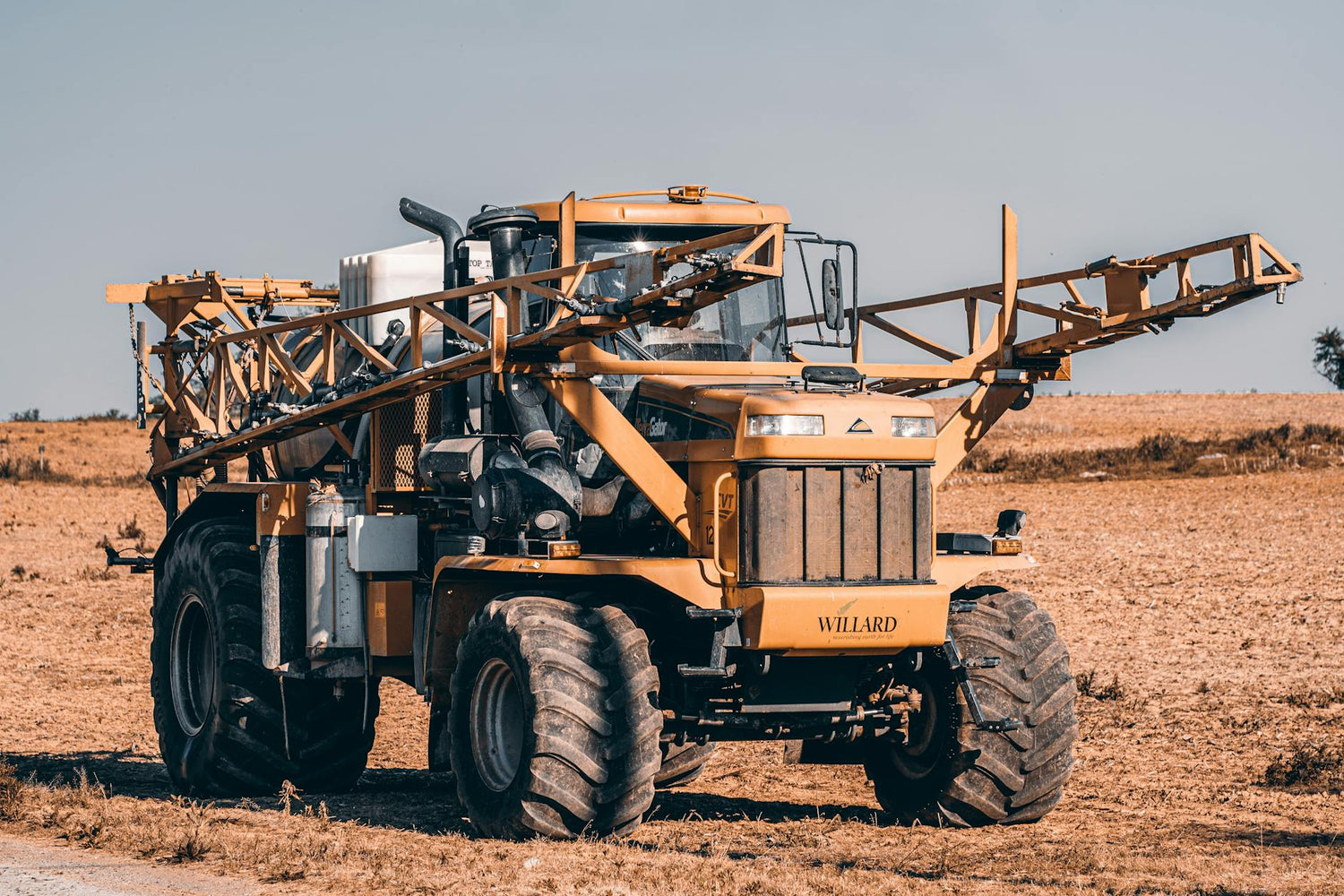
Key Takeaways - Revolutionizing Farm Operations Through Smart Fleet Tracking
Agriculture fleet management with GPS tracking is transforming how modern farms operate, optimize resources, and maximize productivity across their equipment operations.
- Real-time equipment monitoring: GPS tracking provides instant visibility into location, usage patterns, and operational status of all farm machinery.
- Significant cost reductions: Farmers achieve substantial savings through reduced fuel consumption, minimized equipment theft, and optimized maintenance scheduling.
- Enhanced operational efficiency: Strategic fleet coordination eliminates redundant field work, improves harvest timing, and streamlines seasonal equipment deployment.
- Data-driven decision making: Comprehensive analytics enable farmers to make informed choices about equipment utilization, field productivity, and resource allocation strategies.
The right GPS tracking solution can transform your agricultural operations from reactive management to proactive optimization.
How GPS Tracking Transforms Modern Agricultural Fleet Operations
GPS tracking technology is reshaping how farmers and agricultural fleet managers monitor, manage, and optimize their equipment operations. What once required manual logbooks and guesswork now becomes automated, accurate, and actionable data that drives better decision-making across every aspect of farm equipment management.
Real-Time Equipment Location and Movement Monitoring
Modern GPS tracking systems provide instant visibility into every piece of equipment in your agricultural fleet. Whether you're managing a single tractor or overseeing dozens of harvesters, combines, and implements across multiple fields, real-time location data eliminates uncertainty and improves operational control.
Fleet managers can monitor equipment movement patterns, identify when machines are idle or operating inefficiently, and respond quickly to breakdowns or theft attempts. Geofencing capabilities alert you when equipment enters or leaves designated field boundaries, ensuring machines stay on schedule and within authorized work areas. This level of monitoring reduces equipment misuse, prevents unauthorized operation, and helps maintain valuable machinery investments.
The ability to track equipment in real-time also improves coordination between operators and supervisors. Instead of radio calls or phone check-ins, managers can see exactly where each machine is working and how operations are progressing throughout the day.
Automated Field Activity Tracking and Documentation
GPS tracking eliminates manual record-keeping by automatically documenting field activities, work hours, and area coverage. The system records when equipment starts and stops, tracks precise field boundaries and coverage patterns, and calculates actual acres worked versus planned operations.
This automated documentation serves multiple purposes beyond basic record-keeping. Accurate activity logs support compliance requirements for agricultural programs, insurance claims, and environmental regulations. Historical data helps optimize future planting, spraying, and harvest schedules by showing which fields and equipment combinations deliver the best results.
Equipment utilization reports generated from GPS data reveal opportunities to improve efficiency and reduce costs. You can identify underutilized machines, optimize route planning, and make informed decisions about equipment purchases or replacements based on actual usage patterns rather than estimates.
Integration with Farm Management Systems and IoT Sensors
Advanced GPS tracking solutions integrate seamlessly with existing farm management software and IoT sensor networks to create comprehensive operational dashboards. Combined data streams provide deeper insights than location tracking alone, incorporating fuel consumption, engine performance, implement settings, and environmental conditions.
This integration enables predictive maintenance scheduling based on actual equipment usage and performance metrics. Instead of following rigid maintenance calendars, you can service equipment when data indicates optimal timing, reducing downtime and extending machinery life.
Weather data integration helps optimize field operations by correlating equipment activity with soil conditions, temperature, and moisture levels. This comprehensive approach to agriculture fleet management transforms scattered information into actionable intelligence that drives profitability and operational excellence.
GPS tracking features transform traditional farm equipment management into automated, data-driven operations.
| Feature | Traditional Method | GPS Tracking | Key Benefit |
|---|---|---|---|
| Equipment Location | Manual checks | Real-time visibility | Instant tracking |
| Movement Monitoring | Logbooks, guesswork | Automated data | Accurate records |
| Field Boundaries | Visual supervision | Geofencing alerts | Automated compliance |
| Team Coordination | Radio calls | Live dashboard | Better coordination |
| Theft Protection | Physical security | Instant alerts | Quick response |

Essential GPS Fleet Management Benefits for Farm Equipment Optimization
Modern agriculture fleet management transforms how farmers protect, deploy, and maintain their valuable equipment. GPS tracking systems deliver measurable improvements across security, operational efficiency, and cost control that directly impact your bottom line.
Reducing Equipment Theft and Unauthorized Usage
Farm equipment theft costs the agriculture industry billions annually, with tractors and combines being prime targets. GPS tracking provides 24/7 monitoring that alerts you immediately when equipment moves outside designated areas or operates during unauthorized hours. Many systems include geofencing capabilities that trigger instant notifications if machinery crosses predetermined boundaries.
Beyond theft protection, GPS monitoring prevents unauthorized usage by seasonal workers or family members. You can track exactly when equipment operates, ensuring proper protocols are followed and reducing liability concerns. This oversight capability often leads to lower insurance premiums as carriers recognize the reduced risk profile.
Maximizing Machinery Utilization and Scheduling Efficiency
Effective agriculture fleet management requires knowing where every piece of equipment is located and how efficiently it's being used. GPS tracking reveals utilization patterns that help optimize deployment across multiple fields and operations. You can identify underused equipment that might be reassigned or determine when additional machinery is truly necessary.
Real-time location data eliminates time wasted searching for equipment across large properties. Operators can quickly locate the nearest available tractor or implement, reducing downtime and improving productivity. Historical usage data also helps with scheduling decisions, ensuring the right equipment reaches priority areas during critical planting or harvest windows.
Lowering Fuel Costs Through Route and Idle Time Optimization
Fuel represents a significant operational expense in modern farming. GPS tracking systems monitor engine runtime, idle time, and movement patterns to identify fuel waste opportunities. Excessive idling alone can waste hundreds of gallons per season across a typical fleet.
Route optimization features help plan efficient field patterns and minimize unnecessary travel between locations. Some systems provide detailed reports showing fuel consumption per acre or per hour, enabling data-driven decisions about operational efficiency. Operators can adjust work patterns based on this feedback, often achieving fuel savings of 15-25% within the first season.
Streamlining Maintenance Schedules Based on Usage Data
Traditional maintenance schedules based on calendar dates often result in premature servicing or missed critical maintenance windows. GPS systems track actual engine hours and operating conditions, enabling precise maintenance scheduling based on real usage rather than estimates.
Usage-based maintenance prevents costly breakdowns during peak seasons when equipment availability is crucial. You can monitor each machine's service intervals, track warranty periods, and schedule maintenance during off-peak periods. This approach typically reduces maintenance costs by 20% while improving equipment reliability and extending machinery lifespan through proper care timing.

Choosing the Right GPS Tracking Solution for Your Agricultural Fleet
Selecting the right GPS tracking system for agricultural equipment requires careful evaluation of features that match your specific farming operations. The best solution balances functionality, cost, and ease of use while delivering reliable performance in challenging field conditions.
Key Features to Evaluate in Agricultural GPS Systems
Agricultural GPS tracking systems need specialized capabilities that standard fleet tracking solutions often lack. Real-time location accuracy remains essential, but farming operations demand additional functionality tailored to field work patterns and equipment types.
Look for systems that offer geofencing capabilities to create virtual boundaries around your fields, storage areas, and maintenance facilities. This feature helps prevent equipment theft and ensures operators stay within designated work zones. Engine hour tracking proves crucial for maintenance scheduling, as agricultural equipment often operates at low speeds for extended periods.
Weather-resistant hardware designed for harsh outdoor conditions is non-negotiable. Your tracking devices must withstand dust, moisture, temperature extremes, and constant vibration. Battery life becomes critical for seasonal equipment that may sit idle for months between uses.
Consider systems that integrate with existing farm management software or provide agricultural-specific reporting features. Route optimization capabilities help reduce fuel costs and soil compaction by planning efficient field patterns.
Comparing Subscription Models and Total Cost of Ownership
GPS tracking services typically offer monthly subscription models ranging from basic location tracking to comprehensive fleet management platforms. Calculate total costs over three years rather than focusing solely on monthly fees, as this reveals the true investment required.
Basic plans starting around $20 to $30 per month per vehicle provide essential tracking and reporting features suitable for small operations. Mid-tier plans at $40 to $60 monthly add maintenance scheduling, advanced reporting, and customer support. Premium services exceeding $70 monthly include route optimization, driver behavior analysis, and integration capabilities.
Factor in hardware costs, activation fees, and potential contract requirements when comparing providers. Some companies offer equipment purchase options that reduce monthly fees, while others include hardware in higher subscription tiers. Avoid long-term contracts until you verify system performance meets your operational needs.
Implementation Timeline and Staff Training Requirements
Successful GPS tracking implementation typically requires four to six weeks from initial planning to full operation. Begin with a pilot program using two or three pieces of equipment to test system functionality and identify potential issues before fleet-wide deployment.
Device installation usually takes 30 to 60 minutes per piece of equipment when performed by qualified technicians. Schedule installations during off-season periods to minimize operational disruptions and allow adequate testing time.
Staff training represents a critical success factor often overlooked during planning. Dedicate at least four hours to training key personnel on system navigation, report generation, and troubleshooting procedures. Provide written procedures and establish clear protocols for daily monitoring tasks to ensure consistent system utilization across your operation.

FAQ - Frequently Asked Questions
What types of farm equipment can be tracked with GPS systems?
Tractors, combines, harvesters, sprayers, planters, cultivators, and irrigation systems can all be equipped with GPS tracking devices. Most modern agricultural machinery with electrical systems can support GPS installation, including both self-propelled equipment and implements. The tracking systems are compatible with equipment from major manufacturers like John Deere, Case IH, New Holland, and Kubota.
How much does GPS tracking for agricultural fleets typically cost?
GPS tracking for farm equipment typically costs between $20-50 per month per vehicle for basic tracking services. Initial hardware costs range from $100-300 per device, with professional installation adding $50-150 per unit. Advanced fleet management platforms with detailed analytics and integration capabilities can cost $40-80 per month per asset.
Can GPS tracking systems work in remote areas with poor cellular coverage?
Yes, many GPS tracking systems use satellite communication or store data locally when cellular coverage is unavailable. The devices continue recording location, fuel usage, and operational data, then transmit the information once connectivity is restored. Some advanced systems offer satellite-based communication options specifically designed for remote agricultural operations.
How long does it take to install GPS trackers on farm equipment?
Professional GPS tracker installation typically takes 1-3 hours per piece of equipment, depending on the complexity of the machinery and features required. Simple plug-and-play devices can be installed in 15-30 minutes, while comprehensive systems with engine diagnostics and implement monitoring may require 2-4 hours. Most installations can be completed without significant downtime during busy farming seasons.

Dejar un comentario
Este sitio está protegido por hCaptcha y se aplican la Política de privacidad de hCaptcha y los Términos del servicio.