
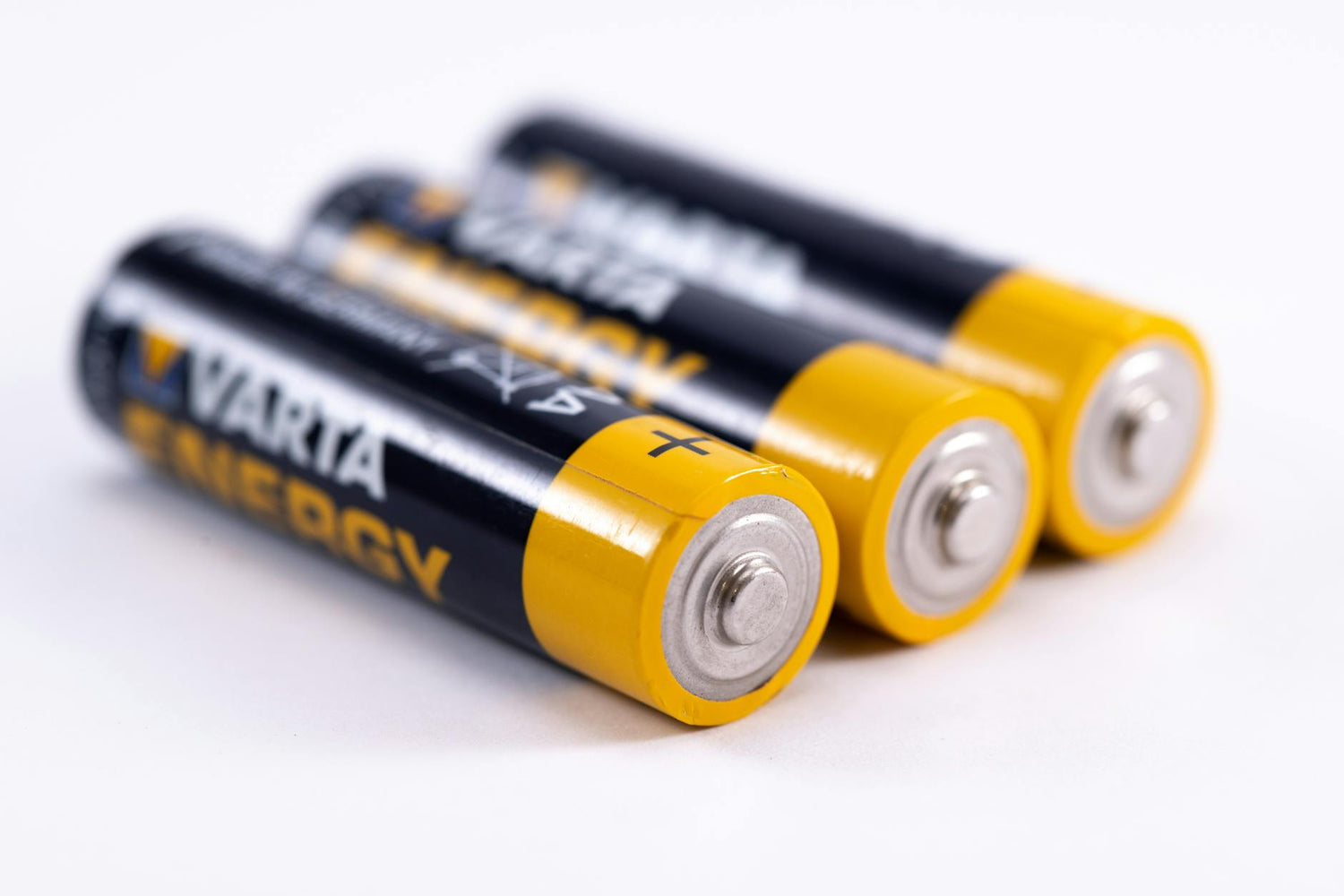
Key Takeaways - Power Through Years, Not Days
GPS tracker long battery life solutions can transform your fleet operations by delivering 3+ years of continuous monitoring without the constant hassle of battery replacements.
- Extended battery GPS trackers last 3-5 years on a single charge, dramatically reducing maintenance costs and downtime for fleet managers.
- Solar-powered and rechargeable options provide virtually unlimited tracking capabilities for vehicles, equipment, and high-value assets across diverse industries.
- Smart power management features automatically adjust reporting intervals and sleep modes to maximize battery performance in real-world conditions.
- Weatherproof designs withstand extreme conditions while maintaining reliable GPS tracking accuracy and cellular connectivity for years of dependable service.
Investing in long-lasting GPS tracking technology eliminates the operational burden of frequent battery maintenance while ensuring continuous visibility of your entire fleet.
Best Long Battery Life GPS Trackers for Fleet Management: 3+ Year Performance Solutions
Top Professional-Grade GPS Trackers with Extended Battery Life
Professional fleet managers need GPS tracker long battery life solutions that deliver consistent performance without frequent maintenance interruptions. The most reliable extended battery trackers offer 3 to 5 years of continuous operation on a single battery charge.
Leading professional-grade models include magnetic mount trackers with 10,000+ mAh battery capacity and solar-assisted units that extend operational life indefinitely in suitable conditions. These devices typically feature low-power GPS chipsets and intelligent sleep modes that activate during stationary periods to preserve battery life.
Asset tracking specialists recommend units with configurable reporting intervals ranging from real-time updates to once-daily position reports. Longer reporting intervals can extend battery life beyond 5 years, making them ideal for equipment that moves infrequently or seasonal vehicle fleets.
How Long Battery GPS Trackers Reduce Fleet Operating Costs
Extended battery GPS trackers eliminate the recurring costs associated with frequent battery replacements and device maintenance. Fleet managers typically save $200 to $500 per vehicle annually by avoiding monthly service calls and battery swap operations.
Long battery life trackers reduce operational disruption by maintaining continuous monitoring without scheduled downtime. This consistency proves especially valuable for remote equipment, construction vehicles, and trailer fleets where access requires significant time and labor costs.
The total cost of ownership decreases substantially when factoring in reduced technician visits, fewer replacement batteries, and eliminated vehicle downtime. Fleet managers report that 3+ year battery trackers pay for their higher initial cost within the first 18 months of deployment.
Battery Life Comparison: Standard vs Extended Performance Trackers
Standard GPS trackers typically operate for 2 to 4 weeks on a single charge with daily position updates. These units require monthly charging cycles or hardwired power connections, creating ongoing maintenance obligations for fleet operations.
Extended performance trackers achieve 3+ year operation through several key improvements: larger battery capacity, advanced power management systems, and optimized GPS receiver efficiency. These units cost 40% to 60% more initially but deliver dramatically lower long-term operating expenses.
Real-world testing shows extended battery trackers maintaining accurate positioning and reliable communication throughout their entire operational lifespan. Fleet managers consistently report that 3+ year battery performance eliminates the primary pain point of GPS tracking systems while providing superior return on investment compared to standard battery alternatives.
Comparison of long battery life GPS tracker types for fleet management
| Tracker Type | Battery Life | Capacity | Best For |
|---|---|---|---|
| Magnetic Mount | 3-5 years | 10,000+ mAh | Active fleets |
| Solar-Assisted | Indefinite | Variable | Outdoor equipment |
| Low-Power GPS | 5+ years | Standard | Seasonal vehicles |
How to Choose the Right Extended Battery GPS Tracker for Your Fleet Operations
Critical Battery Performance Features for Fleet Applications
When evaluating GPS trackers for your fleet, battery capacity measured in milliamp hours (mAh) serves as your primary indicator of longevity. Look for devices offering at least 10,000 mAh for extended operations. Equally important is the reporting interval flexibility, which allows you to balance tracking frequency with battery conservation. Devices that report every 15 minutes during active periods but extend to hourly updates during stationary times can achieve 3+ year battery life.
Temperature resilience directly impacts battery performance in fleet environments. Choose trackers rated for -20°F to 140°F operation to maintain consistent performance across seasons. Solar charging capabilities can extend battery life indefinitely for outdoor equipment, while magnetic charging ports simplify maintenance without compromising weatherproof seals.
Asset Type Matching: Vehicle vs Equipment vs Cargo Tracking
Vehicle tracking requires real-time positioning and frequent updates during operation, making hardwired solutions with battery backup ideal for powered vehicles. For unpowered trailers, choose magnetic mount trackers with 2+ year battery life and theft detection features.
Construction equipment benefits from rugged enclosures and vibration resistance. Select trackers with IP67 waterproof ratings and shock-resistant housings. Equipment that operates intermittently can use motion-activated reporting to preserve battery while maintaining security monitoring.
Cargo tracking demands compact, lightweight devices that won't add significant shipping costs. Choose trackers smaller than 4 inches with integrated temperature sensors for cold chain monitoring. Battery life becomes critical since cargo trackers cannot be easily accessed for maintenance during transit.
Common Mistakes Fleet Managers Make When Selecting Battery-Powered Trackers
The most costly error involves underestimating actual reporting frequency needs. Managers often select trackers based on maximum battery life specifications without considering their required update intervals. A tracker rated for 3 years with daily reports may only last 6 months with hourly tracking.
Overlooking cellular coverage requirements leads to poor performance. Verify that your chosen tracker supports multiple cellular networks and includes roaming capabilities for assets that travel across regions. Relying solely on GPS without cellular backup creates blind spots in coverage areas.
Ignoring total cost of ownership beyond the initial purchase price proves expensive. Factor in monthly service fees, battery replacement costs, and installation time when comparing options. A slightly more expensive tracker with longer battery life often provides better long-term value.
Installation and Maintenance Requirements for Long-Life GPS Systems
Proper installation significantly impacts battery performance and device longevity. Position trackers with clear sky view for GPS signals while protecting from direct weather exposure. Avoid metal enclosures that block cellular signals, and ensure magnetic mounts have full contact with clean metal surfaces.
Establish quarterly battery monitoring schedules using your tracking platform's battery reporting features. Most systems provide low battery alerts, but proactive monitoring prevents unexpected service interruptions. Document installation locations and access procedures to streamline maintenance visits.
Create standardized maintenance protocols including visual inspection checklists and battery replacement procedures. Train multiple team members on device locations and replacement processes to avoid service delays when primary personnel are unavailable.

Maximizing GPS Tracker Battery Performance in Real-World Fleet Environments
Smart battery management transforms your fleet tracking investment from a recurring expense into a long-term strategic advantage. Understanding how to optimize performance across different scenarios ensures your trackers deliver consistent results for years, not months.
Battery Optimization Strategies for Different Fleet Vehicle Types
Different vehicle types require tailored approaches to maximize GPS tracker battery life. Heavy-duty trucks benefit from hardwired installations that tap into the vehicle's electrical system while maintaining backup battery power for theft protection. Configure these systems to enter sleep mode during extended idle periods to preserve backup battery capacity.
For light commercial vehicles and delivery fleets, magnetic battery-powered trackers offer optimal flexibility. Set reporting intervals to every 10-15 minutes during active hours and extend to hourly updates during overnight periods. This balance maintains operational visibility while significantly extending battery life to 2-3 years.
Construction equipment and seasonal vehicles require the most robust battery solutions. Choose trackers with industrial-grade lithium batteries rated for 3-5 year operation. Configure motion-activated reporting to eliminate unnecessary transmissions during dormant periods while ensuring immediate alerts when equipment moves unexpectedly.
Environmental Factors That Impact Long-Term GPS Tracker Performance
Temperature extremes represent the biggest threat to long-term battery performance. Cold weather can reduce battery capacity by up to 40%, while excessive heat accelerates chemical degradation. Install trackers in shaded, insulated locations whenever possible, avoiding direct engine heat or sun exposure.
Signal strength directly impacts battery drain. Trackers working in areas with poor cellular coverage consume significantly more power attempting to maintain connections. Choose trackers with adaptive power management that automatically adjusts transmission power based on signal conditions.
Vibration and shock from rough roads or heavy machinery can damage internal components and connections. Select trackers with military-grade shock resistance ratings and secure mounting systems that absorb vibration without compromising the device.
Future Trends in Extended Battery GPS Technology for Commercial Fleets
Solar-assisted GPS trackers are emerging as game-changers for long-term deployments. Hybrid solar-battery systems can extend operational life to 5-7 years with minimal maintenance, making them ideal for remote equipment monitoring and seasonal vehicle tracking.
Advanced power management algorithms using artificial intelligence are revolutionizing battery optimization. These systems learn from usage patterns to predict optimal reporting schedules automatically, reducing power consumption by up to 30% without sacrificing tracking accuracy.
Low-power wide-area network integration offers unprecedented battery efficiency. Next-generation trackers utilizing LoRaWAN and NB-IoT technologies promise 7-10 year battery life while maintaining real-time tracking capabilities, representing the future of maintenance-free fleet monitoring solutions.

FAQ - Frequently Asked Questions
What is the longest battery life available in commercial GPS trackers for fleet management?
Commercial GPS trackers for fleet management can achieve battery life ranging from 2 weeks to 5 years depending on the model and usage. Asset trackers with optimized power management and lower reporting frequencies can last 3-5 years on a single battery. Real-time vehicle trackers typically offer 2-4 weeks of continuous operation, while some specialized long-life models can extend up to 6 months with adjusted settings.
How do weather conditions affect GPS tracker battery performance in fleet vehicles?
Extreme temperatures significantly impact GPS tracker battery performance, with cold weather reducing battery life by 20-50% and excessive heat accelerating battery degradation. Lithium batteries perform better in cold conditions compared to standard alkaline batteries, maintaining more consistent power output. High humidity and moisture can also drain batteries faster by increasing internal resistance and causing corrosion in poorly sealed units.
Can long battery life GPS trackers work effectively on heavy equipment and construction vehicles?
Long battery life GPS trackers are highly effective for heavy equipment and construction vehicles, especially for theft protection and utilization monitoring. These rugged environments benefit from solar-powered or magnetic mount trackers that can last 1-3 years without maintenance. Heavy equipment trackers often include features like vibration detection and geofencing, making them ideal for monitoring expensive machinery across multiple job sites.
How do reporting frequency settings impact overall GPS tracker battery longevity?
Reporting frequency is the most critical factor affecting GPS tracker battery life, with higher frequencies dramatically reducing battery longevity. Trackers reporting every 10 seconds may last only days, while those reporting hourly can extend battery life to several months. Adjusting reporting intervals from 1 minute to 15 minutes can increase battery life by 300-500%, making frequency optimization essential for long-term deployments.


Laisser un commentaire
Ce site est protégé par hCaptcha, et la Politique de confidentialité et les Conditions de service de hCaptcha s’appliquent.