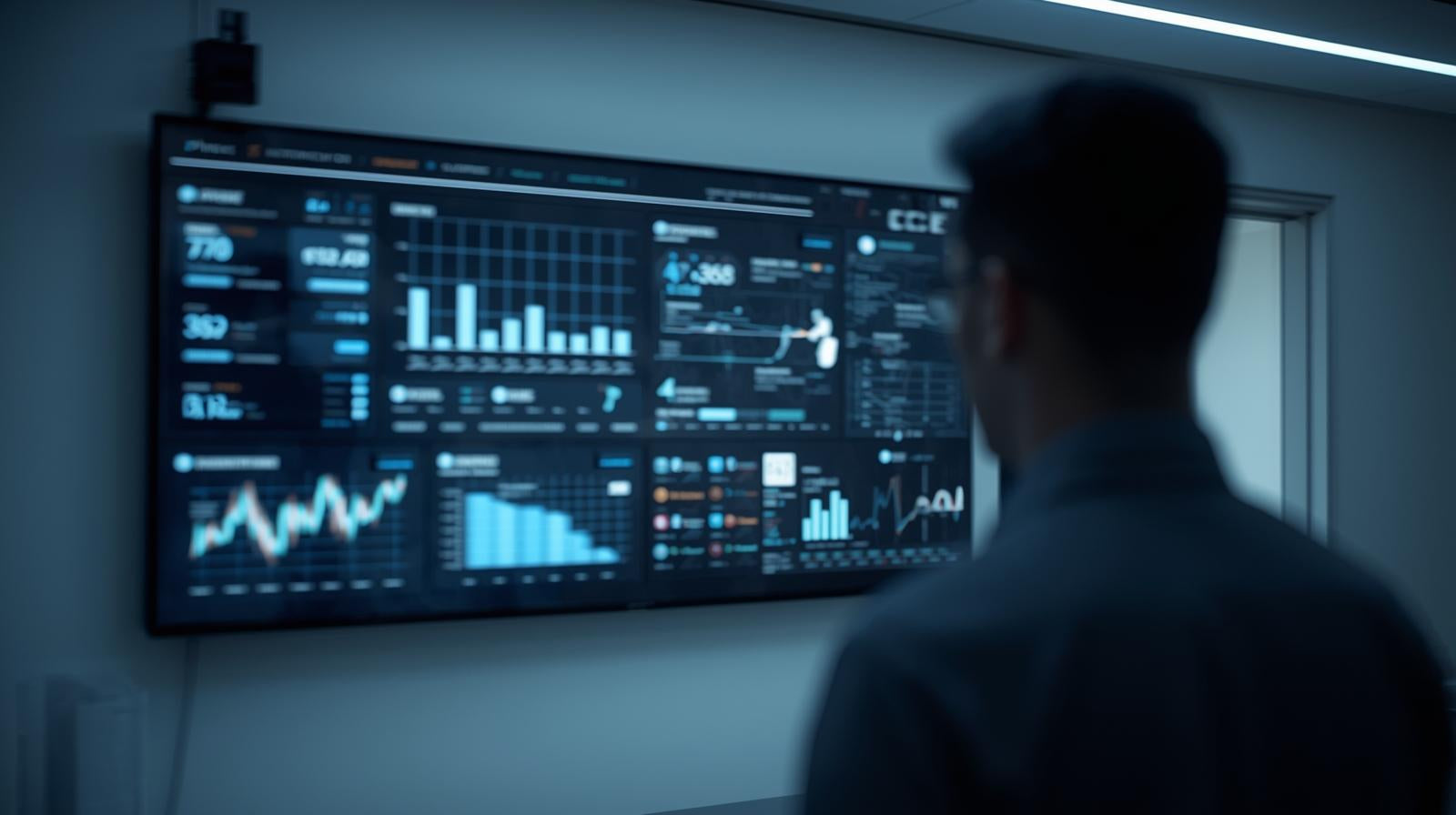
Summary Understanding the True Cost of Fleet Operations Beyond Fuel Leveraging Telematics for Real-Time Fleet Efficiency Optimizing Routes and Managing External Factors Data-Driven Fleet Management for Maximum ROI Conclusion FAQ Understanding the True Cost of Fleet Operations Beyond Fuel Fuel is often the first cost fleet managers notice. 🚛💨 But focusing only on the pump price ignores hidden expenses that quietly erode profits. Running a fleet involves driver behavior, maintenance, route planning, and overall efficiency. Without understanding these factors, overspending is easy. With vehicle telematics systems, managers get real-time insights on performance, fuel waste, and ways to save. Even small inefficiencies across large fleets can add up quickly. Hidden Fuel Expenses Fuel isn’t just the amount consumed; the way it’s used is equally important. Many fleets lose money without even realizing it: Excessive idling: Engines running while stationary burn fuel unnecessarily and increase wear. Fuel card misuse: Unauthorized purchases or buying at premium stations can silently drain budgets. Inefficient routing: Vehicles traveling extra miles consume more fuel and take longer to complete jobs. Telematics vehicle tracking systems provide visibility into these inefficiencies. Managers can monitor fuel consumption per vehicle in real time, identify anomalies, and optimize routes to reduce waste. With vehicle telematics data, it becomes possible to quantify losses and implement strategies that directly improve the bottom line. ⛽📊 Moreover, integrating fuel data with driver performance allows managers to see which routes, times of day, or driving styles lead to the highest consumption. Over time, these insights can reshape operational policies, reducing hidden fuel expenses even further. Driver Behavior and Its Impact on Costs Drivers are at the heart of fleet operations, and their habits significantly influence fuel efficiency and maintenance costs. ⚡ Aggressive acceleration, harsh braking, speeding, and poor adherence to recommended driving practices increase fuel consumption and accelerate wear and tear on vehicles. Even small inefficiencies multiplied across a fleet can become a substantial expense. Vehicle telematics analytics and AI dash cams and vehicle telematics allow managers to track these behaviors objectively. Insights from these systems enable: Coaching programs to encourage safer and more efficient driving Recognition for drivers who maintain optimal driving habits Early detection of risky patterns that could lead to accidents or higher fuel usage By understanding how driver behavior affects fleet costs, managers can implement strategies that reduce fuel consumption, enhance safety, and extend vehicle life. Over time, fostering a culture of efficiency among drivers becomes a competitive advantage, improving profitability across the entire fleet. Predictive Maintenance Through Telematics Waiting for a breakdown before addressing maintenance is one of the costliest mistakes a fleet can make. ⚠️ Emergency repairs are expensive, downtime reduces revenue, and missed deliveries can damage client relationships. Telematics-enabled vehicles change the game. By collecting vehicle telematics data such as engine diagnostics and fault codes, fleets can adopt predictive maintenance strategies. This approach allows: Scheduling maintenance proactively before failures occur Reducing unexpected downtime and repair costs Extending vehicle lifespan and keeping operations smooth Predictive maintenance turns fleet management from reactive problem-solving into a strategic advantage, saving money, improving reliability, and supporting better planning. Combined with fuel and driver behavior insights, telematics offers a comprehensive picture of fleet efficiency. Furthermore, predictive insights allow managers to anticipate parts replacement and plan inventory, preventing bottlenecks in repairs and ensuring vehicles stay on the road longer. This level of foresight was impossible without modern vehicle telematics solutions. Leveraging Telematics for Real-Time Fleet Efficiency Managing a fleet isn’t just about keeping vehicles on the road—it’s about ensuring they operate efficiently, safely, and cost-effectively. Modern fleets increasingly rely on vehicle telematics solutions to gain real-time insights that drive smarter decision-making. By monitoring vehicles continuously, fleet managers can see not only where their trucks are, but how they are performing, how drivers behave, and how maintenance needs can be predicted. The era of guessing or relying solely on manual reports is over. With telemetrics vehicle tracking systems, data becomes a strategic tool rather than just a record-keeping exercise. Let’s break down how telematics transforms fleet operations. Real-Time Fuel Monitoring and Management Fuel costs often account for a significant portion of a fleet’s budget. ⛽ But telematics provides a layer of visibility that goes far beyond what traditional reporting can show. Vehicle telematics devices collect detailed consumption data, including: Idling time – how long a vehicle runs while stationary Fuel efficiency per route – liters or gallons consumed per mile Fuel card integration – cross-checking purchases with vehicle usage This real-time monitoring allows managers to identify inefficiencies immediately, whether it’s a driver leaving the engine running too long or fuel being used off-route. Over time, these insights can reshape fueling policies, optimize routes, and reduce overall fuel spend by 5-10% on average. Moreover, combining vehicle telematics data with predictive analytics enables scenario planning. Managers can test different route strategies or driving practices virtually to forecast potential fuel savings before implementation. Monitoring Driver Habits for Maximum Efficiency Driver behavior has a profound effect on fuel consumption, safety, and maintenance costs. ⚡ Harsh braking, rapid acceleration, speeding, and aggressive cornering not only consume more fuel but also increase wear on tires and brakes. Modern telematics in vehicles allows managers to track these behaviors in real-time. AI dash cams and vehicle telematics can even provide context, showing the difference between necessary rapid maneuvers and unsafe driving practices. Benefits include: Targeted coaching programs to correct inefficient or unsafe habits Recognition for top-performing drivers, boosting morale and motivation Pattern detection, enabling preemptive interventions before issues escalate Tracking driver habits doesn’t just reduce fuel costs—it also lowers accident risk, minimizes insurance claims, and ensures vehicles last longer, improving ROI across the fleet. ✅ Predictive Maintenance Through Vehicle Diagnostics Waiting for breakdowns is expensive, disruptive, and avoidable. With vehicle telematics analytics, fleets can implement predictive maintenance strategies that proactively address vehicle issues. Telematics-enabled vehicles continuously report engine diagnostics, fault codes, and component wear. This data allows managers to: Schedule maintenance before minor issues become major repairs Optimize maintenance timing, avoiding unnecessary downtime Extend vehicle lifespan by maintaining optimal performance Predictive maintenance also integrates with fleet management software, providing alerts and reminders that help managers stay ahead of potential failures. This approach shifts fleet operations from reactive problem-solving to proactive efficiency, ensuring vehicles stay on the road, schedules are met, and unexpected costs are minimized. By combining fuel monitoring, driver behavior analysis, and predictive maintenance, fleets create a data-driven ecosystem. Each vehicle becomes a source of actionable insight, enabling smarter decisions, cost savings, and improved service reliability. 📊🚚 Watch how telematics solutions transform fleet operations in real time: Optimizing Routes and Managing External Factors Efficient fleet management isn’t only about the vehicles themselves—it’s also about navigating the world outside the cab. Weather conditions, traffic patterns, road restrictions, and delivery schedules all impact how efficiently a fleet operates. Ignoring these external factors can lead to delays, increased fuel consumption, and higher maintenance costs. Modern fleet management software combined with vehicle telematics solutions allows managers to account for these variables in real time, turning potential obstacles into strategic advantages. Understanding how to leverage these tools is key to reducing operational costs, improving delivery times, and maximizing fleet utilization. The Role of Weather in Route Planning Weather is one of the most underestimated factors affecting fleet operations. 🌧️❄️☀️ Heavy rain, snow, ice, or even strong winds can significantly increase travel time, fuel consumption, and safety risks. Vehicle telematics systems can integrate real-time weather data to help managers: Reroute vehicles around hazardous conditions Delay non-urgent deliveries until conditions improve Alert drivers about upcoming weather risks For example: Snowstorms: may force route changes or delays Flooding: can make streets impassable High winds: affect larger trucks’ stability By proactively integrating weather forecasts into route planning, fleets not only avoid costly accidents and delays but also maintain a high level of customer satisfaction. Integrating Traffic and Delivery Windows Traffic congestion and unexpected incidents can disrupt even the best-laid plans. 🛣️🚦 Telematics vehicle tracking systems combined with smart fleet management software allow managers to monitor live traffic and adjust routes dynamically. Benefits include: Avoiding rush-hour congestion Adjusting delivery windows to meet customer expectations Minimizing fuel waste caused by stop-and-go traffic Advanced systems can use historical traffic data along with real-time updates to predict delays and automatically adjust schedules. For instance, a delivery scheduled between 2 PM and 4 PM can have its route optimized based on expected traffic patterns, ensuring on-time arrival without unnecessary fuel consumption. This integration transforms fleet operations from reactive to predictive and proactive, improving efficiency and service reliability. Balancing Vehicle Capacity and Road Restrictions It’s not enough to know the fastest route—you also need to ensure that the vehicle can safely and legally traverse it. ⚖️🚚 Bridges, tunnels, weight limits, and narrow streets impose restrictions that must be considered in planning. Telematics-enabled vehicles and fleet management software can factor in: Weight limits: to avoid fines and vehicle damage Height/width restrictions: preventing accidents on low-clearance roads Vehicle-specific regulations: some roads prohibit certain commercial vehicles Load balancing: ensuring cargo is distributed safely for turns and slopes By considering these factors, managers can prevent legal issues, reduce damage, and optimize delivery routes. Modern software allows fleets to plan efficient, safe, and compliant routes, keeping drivers and cargo secure while reducing unnecessary costs. In combination with predictive maintenance and fuel monitoring, optimized route planning ensures fleets operate at peak performance, even when external factors challenge their schedules. Data-Driven Fleet Management for Maximum ROI Modern fleet management is no longer about intuition or guesswork. 📊 With the explosion of vehicle telematics systems and fleet management software, companies can now harness real-time data to make informed decisions, optimize operations, and achieve measurable returns. Data-driven management combines fuel insights, driver behavior analytics, predictive maintenance, and route optimization into a unified strategy. This approach not only reduces operational costs but also improves customer satisfaction, safety, and overall efficiency. Unifying Disparate Data Sources Fleet data often exists in silos: fuel card reports in one system, maintenance logs in another, and driver schedules elsewhere. Without unifying this data, managers risk missing patterns that could save time and money. Telematics-enabled vehicles and advanced fleet management software allow: Centralized dashboards showing vehicle location, fuel consumption, maintenance status, and driver performance Cross-referencing data from multiple sources to identify inefficiencies Trend detection, like vehicles consistently using more fuel or routes regularly delayed By unifying disparate data sources, managers gain a complete operational picture, enabling smarter decisions rather than reactive fixes. It’s like having a command center for your entire fleet. This integration also allows for easier reporting, compliance, and historical analysis, which helps plan for future growth. Automating Routine Tasks for Efficiency Repetitive tasks—like scheduling maintenance, logging hours, or generating reports—can consume significant management time. ⏱️ Automation through fleet management software solves this problem by: Automatically scheduling maintenance based on telematics diagnostics Generating compliance reports without manual data entry Tracking fuel usage and driver performance in real-time Automation doesn’t just save time—it reduces human error and ensures tasks aren’t missed, which is critical for maintaining fleet efficiency and safety. For instance, alerts for overdue maintenance or abnormal fuel consumption allow managers to intervene before issues escalate, keeping vehicles operational and minimizing downtime. The result? Managers can focus on strategic improvements instead of getting bogged down in paperwork, allowing the fleet to operate more smoothly, safely, and profitably. Quantifying ROI and Continuous Improvement Ultimately, all the data and technology in the world only matters if it improves the bottom line. 💰 Smart fleets use vehicle telematics analytics to quantify savings and monitor ROI. Benefits include: Fuel cost reduction: optimized routes and driver behavior tracking can lower consumption by 15‑25% Maintenance savings: predictive maintenance reduces emergency repair costs by 10‑20% Improved delivery efficiency: better scheduling and traffic-aware routing increase on-time deliveries by 5‑15% Continuous refinement is key. By analyzing vehicle telematics data over time, managers can: Adjust routes based on traffic patterns Identify drivers needing additional coaching Replace or upgrade vehicles showing high operating costs This cycle of analyze, optimize, and improve ensures the fleet keeps evolving. ROI is not just immediate—it grows over time as operations become more efficient, vehicles last longer, and drivers perform better. Investing in data-driven fleet management transforms operations from reactive to proactive, turning fleets into well-oiled machines that maximize profitability while improving safety and service quality. 🌟 Discover the full range of GPS tracking solutions for fleets from Transpoco to boost efficiency and reduce costs. Conclusion Managing a modern fleet is about more than just vehicles and fuel—it’s about making informed, data-driven decisions that improve efficiency, safety, and profitability. 🚚💡 With vehicle telematics systems and fleet management software, companies gain real-time insights into fuel usage, driver behavior, maintenance needs, and route efficiency. This information allows managers to act proactively rather than reactively, reducing costs and maximizing operational performance. By integrating telematics-enabled vehicles, predictive maintenance strategies, and real-time vehicle telematics analytics, fleets can: Cut fuel costs through optimized routing and driver coaching Minimize downtime with predictive maintenance Enhance safety and compliance by monitoring driver behavior and adhering to road restrictions Improve overall ROI by continuously analyzing and refining fleet operations The future of fleet management lies in leveraging vehicle telematics solutions to unify all operational data, automate routine tasks, and enable smarter decision-making. Fleets that embrace this approach gain a competitive advantage, ensuring timely deliveries, reduced operational costs, and sustainable growth. Investing in vehicle telematics technology isn’t just about tracking vehicles—it’s about empowering fleets to operate at peak performance while staying agile in a constantly changing environment. Companies that harness the full potential of vehicle telematics systems will not only see immediate savings but also long-term gains in efficiency, profitability, and customer satisfaction. 🌟 Key Takeaway: Modern fleet optimization through vehicle telematics transforms management from reactive problem-solving into a strategic, data-driven operation, unlocking maximum efficiency, safety, and profitability. 📚 Frequently Asked Questions about Telematics and GPS Tracking What is vehicle telematics and why is it important for fleets? Vehicle telematics collects real-time data from vehicles to monitor location, fuel usage, and driver behavior. 🚚 This helps fleets improve efficiency, reduce costs, and enable predictive maintenance. How does weather affect fleet operations? Weather impacts safety and efficiency. ❄️🌧️☀️ Heavy rain/snow: slows traffic, requires detours High winds: affects large vehicles Extreme temperatures: impacts vehicle performance Vehicle telematics solutions allow proactive adjustments to avoid delays and ensure safe operations. How can vehicle telematics optimize fuel consumption? Vehicle telematics systems track fuel usage and driver behavior, helping fleets reduce waste from idling, inefficient routes, or aggressive driving. 🚦 This leads to significant fuel savings and higher profitability over time. What hidden costs can impact fleet profitability besides fuel? Hidden costs often exceed fuel expenses: Inefficient routing Excessive idling Maintenance delays Suboptimal driver behavior Using vehicle telematics systems, fleets can detect and reduce these hidden costs. How does predictive maintenance improve fleet performance? Predictive maintenance uses vehicle telematics devices to detect issues before breakdowns, reducing downtime and repair costs. 🚛 Combined with fleet management software, it keeps vehicles running safely and efficiently. Can telematics help improve driver safety? Yes. Vehicle telematics analytics monitors speed, braking, and acceleration to detect risky behavior. Provides real-time coaching Encourages safer driving habits This reduces accidents, lowers insurance costs, and promotes a safety culture. How quickly can fleets see ROI from telematics investments? Fleets often see returns within months with vehicle telematics solutions: Fuel efficiency: 15–25% improvement in 1–6 months Reduced downtime: 10–20% over 6–12 months Improved delivery: 5–15% faster Analyzing vehicle telematics data helps maximize ROI and operational benefits.


Leave a comment
This site is protected by hCaptcha and the hCaptcha Privacy Policy and Terms of Service apply.