
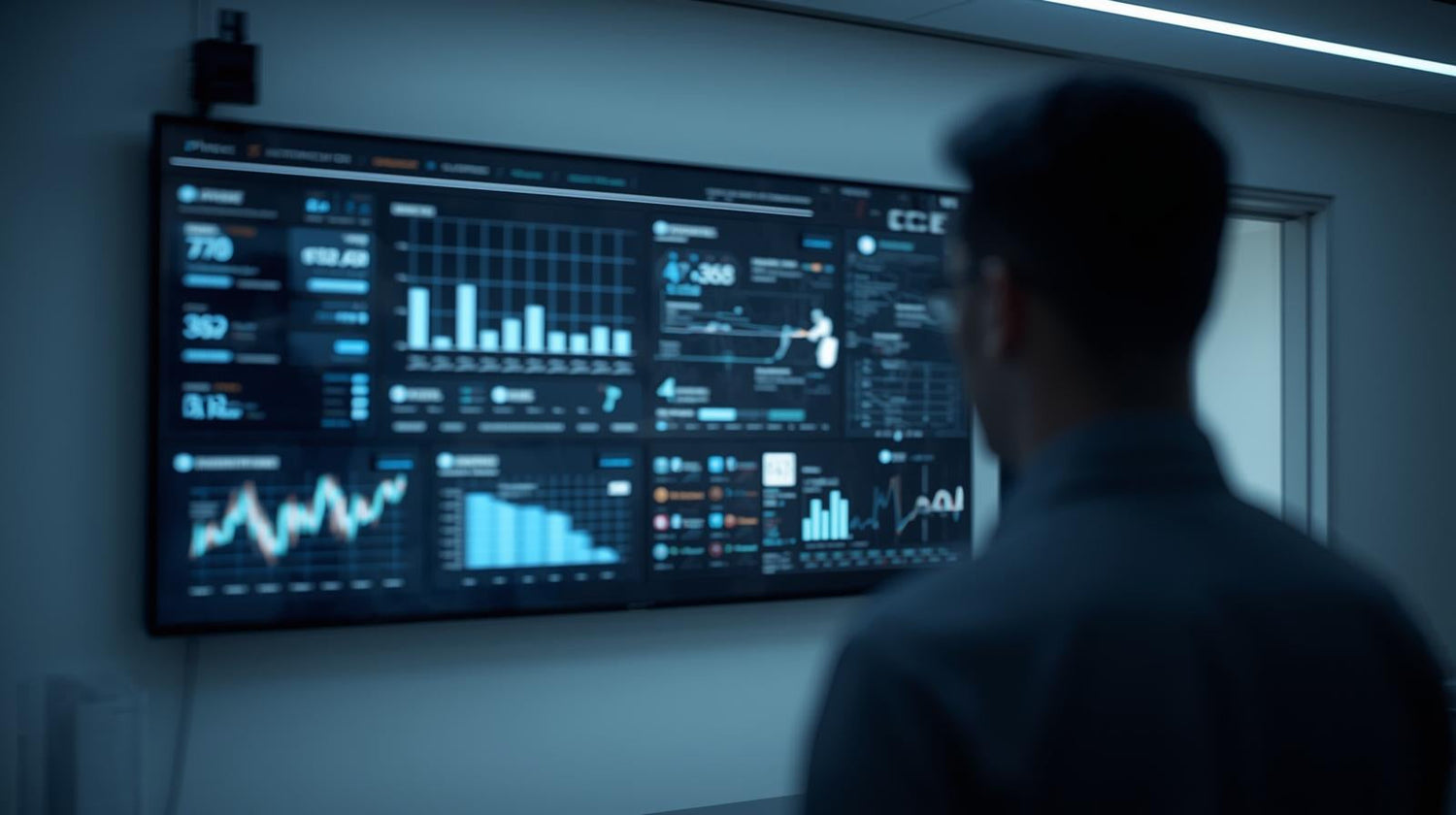
What Are Driver Digital Twins? A New Era for Fleet Intelligence
Definition: From Vehicle Digital Twins to Human-Centered Models
The concept of Driver Digital Twins marks a significant shift in fleet intelligence. While traditional vehicle digital twins focus on the mechanics and performance of vehicles, driver digital twins center around human behavior, providing fleet managers with unprecedented insight into how drivers operate on the road.
A Driver Digital Twin is essentially a virtual replica of a driver, created using advanced AI and machine learning, which interprets data from multiple sources to predict and optimize driving performance.
Unlike standard vehicle telematics systems, which monitor vehicle health, these human-centered models allow companies to assess risk, coaching opportunities, and operational efficiency.
Key highlights:
-
Vehicle vs. Driver digital twins: Traditional digital twins track metrics like engine performance, fuel consumption, and maintenance schedules, whereas driver twins analyze behavior patterns, reaction times, and risk-prone actions.
-
AI-powered behavioral replication: Machine learning processes vast datasets to build accurate digital models of driver behavior, anticipating fatigue, distraction, or aggressive driving.
-
Data sources:
-
Vehicle telematics data such as speed, braking, and acceleration
-
Lightweight biometric inputs for fatigue and stress detection
-
Driving history, including past incidents and route preferences
-
By integrating these insights with fleet management software, companies can transition from reactive fleet monitoring to a proactive, data-driven approach, enhancing both safety and operational efficiency.
Emojis & bullets to aid reading:
-
⚡ Behavioral insight for each driver
-
🚚 Enhanced fleet safety
-
📈 Optimized fleet performance metrics
How Driver Digital Twins Are Built: The Data Sources Behind Them
Building a Driver Digital Twin involves combining real-time data with historical and contextual information. This multi-layered approach ensures each twin accurately reflects the individual driver’s habits and risk profile.
Data sources include:
-
Real-time metrics ⏱️: Speed, braking intensity, acceleration patterns, and proximity alerts. These are captured via GPS trackers and vehicle telematics devices.
-
Historical data 📊: Long-term driving habits, past incidents, and frequently traveled routes help identify recurring patterns or risk factors.
-
Contextual information 🌦️: Weather conditions, traffic density, vehicle load, and road types provide context to driving decisions.
Integration with fleet software:
-
Modern fleet management software consolidates these data streams through APIs and dashboards, offering managers actionable insights.
-
Advanced vehicle telematics solutions analyze this combined data using AI, generating predictive models to flag high-risk behaviors or inefficiencies.
This architecture allows fleets to anticipate accidents before they happen, allocate drivers effectively, and tailor coaching programs without manual intervention.
Driver Digital Twins turn raw data into a living, evolving model of human performance, bridging the gap between technology and driver behavior.
Why 2025 Is the Breakthrough Year
2025 represents a pivotal moment for Driver Digital Twins, thanks to technological advancements, regulatory pressure, and industry adoption.
Key factors driving adoption:
-
Mature AI and analytics 🤖: Predictive models can now process large-scale vehicle telematics datasets in real time, providing actionable insights.
-
Industry adoption 🏢: Major fleets and insurers are embracing digital twins to reduce accidents, improve safety, and optimize insurance premiums.
-
Regulatory pressures 📜: Stricter safety standards and compliance requirements are pushing companies to monitor driver behavior more closely.
-
Hardware advancements ⚙️: Edge computing, advanced sensors, and integrated telematics devices make real-time driver modeling feasible.
By leveraging fleet vehicle telematics and AI, companies are able to create transparent, ethical, and highly accurate digital representations of their drivers. This evolution allows for proactive safety interventions, optimized routing, and enhanced operational efficiency.
Impacts for fleet management:
-
Safer roads and reduced accident rates
-
Improved driver coaching and personalized training
-
Optimized vehicle allocation and cost reduction
-
Predictive insights for insurance and compliance
In short, Driver Digital Twins combine AI, GPS trackers, and vehicle telematics systems to transform fleet operations, turning data into a strategic asset that benefits both drivers and companies.

How Driver Digital Twins Improve Fleet Performance
In 2025, fleets are no longer just tracking vehicles—they are now modeling drivers themselves.
Driver Digital Twins provide a real-time simulation of each driver’s behavior, enabling companies to predict risks, optimize operations, and offer personalized coaching.
By combining insights from fleet tracking, vehicle telematics, and AI dash cams, organizations can reduce accidents, save costs, and boost overall fleet efficiency.
Accident Reduction Through Behavioral Prediction
Accidents are rarely random. They often emerge from subtle behavioral patterns—fatigue, minor distractions, or aggressive maneuvers—that traditional telematics can’t fully detect.
With real-time telematics data, a driver’s digital twin can identify these risk patterns hours or even days before an incident occurs.
For example, a delivery driver on a congested urban route may show increasing instances of harsh braking and rapid lane changes. The twin models these behaviors and predicts high-risk moments.
Automated alerts can then nudge the driver to take breaks or adjust speed, while managers receive actionable insights without manually reviewing hours of data.
In addition, integrating AI dash cams enhances prediction accuracy. The system can combine visual cues with telemetry to detect near-misses or unsafe driving conditions.
Over time, this proactive approach significantly reduces accidents while building trust between drivers and fleet managers.
⚡ Key benefits:
-
Early identification of fatigue or distraction
-
Behavioral risk patterns highlighted for targeted interventions
Operational Efficiency and Fleet Cost Reduction
Beyond safety, Driver Digital Twins transform operational efficiency. By analyzing each driver’s behavior alongside vehicle telematics systems, fleets can optimize fuel use, reduce maintenance costs, and prevent delays.
Consider a logistics company with long-haul routes. The twin detects excessive acceleration and prolonged idling, both of which increase fuel consumption and mechanical wear.
Managers can then reassign vehicles or adjust routes to match drivers’ strengths, improving performance across the fleet.
Insurance is also impacted. Predictive analytics provide detailed evidence of safe driving behaviors, helping fleets secure lower premiums. Maintenance teams can schedule interventions before breakdowns occur, reducing downtime and unplanned repairs.
Driver allocation becomes smarter, too. By combining insights from fleet management software and telematics, dispatchers can match drivers with routes that suit their driving style—urban deliveries for precise, cautious drivers and long-haul highways for consistent performers.
📊 Efficiency gains include:
-
5–15% reduction in fuel costs
-
Fewer maintenance-related delays
-
Improved route assignment and productivity
Personalized Driver Coaching Without Manual Effort
Traditional coaching is labor-intensive, requiring managers to review long stretches of telematics data. With Driver Digital Twins, coaching becomes automated and highly personalized. Each twin creates a profile highlighting a driver’s strengths, weaknesses, and improvement trends.
Drivers receive dynamic feedback during their shifts: “⚠️ Try smoother acceleration in urban zones” or “🏆 Great consistency on long stretches today.”
Unlike generic safety tips, this guidance is constructive, non-punitive, and easy to follow. Gamification, such as weekly progress badges, encourages engagement and skill development.
Over weeks, managers can see drivers’ skill progression and risk reduction without manual data analysis. This system enhances safety, reduces accidents, and fosters continuous learning.
By combining insights from fleet tracking and real-time telematics data, companies can turn behavioral analytics into tangible performance gains.
Watch ‘How “Digital Twins” Could Help Us Predict the Future’ to discover how digital twin technology models real-world behavior and predicts outcome⬇
Implementation: How Fleets Deploy Driver Digital Twins in the Real World
Deploying Driver Digital Twins represents more than a simple technology upgrade—it is a fundamental shift in how fleets monitor, analyze, and enhance driver performance.
By leveraging vehicle telematics, fleet management software, and AI-based analytics, companies can predict risky behavior, optimize operations, and maintain compliance.
This section explores the data, integration strategies, and potential challenges associated with real-world deployment.
The Data and Technology Needed to Build Driver Twins
The foundation of any driver digital twin is high-quality data. Fleets must collect real-time and historical inputs from multiple sources: GPS trackers, vehicle telematics devices, and optional AI dash cams.
Real-time telemetry captures speed, acceleration, braking patterns, and route conditions, while historical data provides context on driving style, incident history, and route familiarity.
Advanced AI and machine learning models process this data, predicting behaviors and risk patterns before they result in accidents. Edge computing allows instant feedback in the vehicle, while cloud analytics provide long-term trend predictions.
This combination ensures insights are both actionable immediately and strategically valuable.
Fleets should focus on:
-
Maintaining clean and structured datasets to improve prediction accuracy
-
Ensuring continuous data streams from all vehicles and drivers
-
Implementing scalable AI tools that can adapt from individual vehicles to fleet-wide analytics
For example, a fleet using predictive analytics observed that drivers with frequent harsh braking in certain zones were more likely to have minor collisions. The digital twin flagged these drivers for targeted coaching, preventing potential incidents.
Integration With Existing Fleet Management Systems
Building the twin is only the first step. Its true value emerges when integrated into existing fleet management systems (FMS).
Modern FMS platforms support APIs, dashboards, and reporting tools, allowing driver insights to blend with vehicle maintenance schedules, route planning, and operational performance.
Integration transforms fleets from reactive to proactive. For instance, a manager can receive a notification that a driver’s telematics indicate excessive fatigue patterns before a scheduled long-haul route.
Similarly, combining driver twins with fleet tracking data helps allocate drivers to routes where they perform most efficiently, optimizing both safety and productivity.
Key considerations for integration:
-
Synchronization of driver, vehicle, and route data across FMS dashboards
-
Real-time visualization of driver performance trends alongside vehicle metrics
-
Seamless communication between driver feedback systems and operational planning
Through integration, fleets can continuously optimize operations, reduce costs, and maintain high safety standards without disrupting day-to-day activities.
Challenges, Risks, and How to Avoid Deployment Mistakes
Despite the benefits, deploying driver digital twins presents challenges. Data privacy and compliance are critical: fleets must adhere to GDPR and local regulations, ensuring drivers know what data is collected and how it will be used. Transparency builds trust, which is crucial for adoption.
Calibration of AI models is another potential risk. Incorrectly trained twins can misinterpret driving behaviors, generating false alerts or unfair scoring. Starting with pilot programs allows fleets to refine models based on real-world behavior before full-scale rollout.
Ethical deployment is essential. Driver digital twins should enhance learning rather than punish mistakes.
Constructive feedback and gamified progress indicators encourage engagement and skill development. Clear policies and progressive rollouts help avoid resistance and foster long-term adoption.
Best practices include:
-
📌 Gradual implementation to refine AI models
-
🔒 Secure and anonymize sensitive driver data
-
💡 Provide transparent reports to drivers on insights and scores
-
✅ Emphasize improvement and coaching over punitive measures
When these measures are followed, fleets can deploy digital twin technology with confidence, turning complex telemetry data into actionable insights that improve safety, efficiency, and compliance.

The Future of Driver Digital Twins: What Fleets Can Expect by 2030
As we approach 2030, Driver Digital Twins are transforming into sophisticated decision-making tools that impact every layer of fleet operations.
By leveraging real-time telematics data, predictive analytics, and AI dash cams, fleets will anticipate human behavior, optimize routes, and enhance safety proactively.
The coming decade will see these digital twins evolve from simple monitoring devices into fully integrated strategic platforms.
AI-Driven Predictions: From Human Behavior to Autonomous Interaction
By 2030, Driver Digital Twins will go beyond simple monitoring—they will understand and predict human behavior. Advanced AI models analyze subtle patterns like fatigue, stress, or distraction, allowing fleets to act before risks escalate.
Key features include:
-
Real-time behavioral analysis: leveraging vehicle telematics and real-time telematics data to track acceleration, braking, and driving style.
-
AI dash cam integration: visual cues and road context feed into the driver twin, enhancing predictive accuracy.
-
Direct interaction with vehicle systems 🚦: for example, fatigue detection can trigger alerts or adjust automated safety features to prevent incidents.
-
Proactive driver insights: managers can identify drivers who need coaching or adjust route assignments based on predicted performance.
This approach transforms fleet management from reactive to anticipatory operations, reducing accidents and improving overall efficiency.
Over time, the combination of AI, telematics, and predictive analytics creates a hybrid intelligence system, where human decisions are enhanced by data-driven interventions.
Insurance, Compliance, and Regulatory Evolution
By 2030, insurers and regulators will rely heavily on digital twins. Premiums will reflect driver performance metrics, rewarding safety while mitigating risk proactively.
Compliance processes will be automated, with AI tracking adherence to driving hours, speed regulations, and vehicle maintenance schedules. Fleets will benefit in multiple ways:
-
Reduced insurance costs: dynamic premiums based on twin safety scores
-
Automated compliance reporting: saves time and minimizes errors
-
Enhanced liability protection: detailed records improve legal transparency
-
Driver trust and engagement: clear communication on how data impacts insurance and compliance
This regulatory and insurance evolution positions digital twins as essential tools for both risk management and operational efficiency, ensuring that fleets can meet safety and legal requirements while reducing costs.
From Driver Twins to Full Fleet Digital Twins
The ultimate vision for 2030 is a full fleet digital twin, where drivers, vehicles, and operational systems converge into a single predictive platform.
This holistic approach enables fleets to simulate and optimize every aspect of their operations.
Imagine being able to foresee the impact of assigning a particular driver to a route, or predicting which vehicles will require maintenance before breakdowns occur.
With such a system, fleets can allocate drivers intelligently, optimize routes based on real-time traffic and performance data, and even reduce energy consumption for electric and hybrid vehicles.
Predictive maintenance, combined with AI-driven scheduling, ensures vehicles remain in top condition, minimizing downtime and operational costs.
In practice, fleet managers will interact with a living model of their operations, using insights from driver twins, telematics, and analytics to make decisions that were previously impossible.
Productivity, safety, and sustainability will no longer be aspirational goals—they will become measurable outcomes.
By merging human intelligence with advanced digital systems, fleets can anticipate challenges, adapt quickly, and maintain a competitive edge in an increasingly complex transport landscape 🌱.
Explore our GPS Tracker collection at Transpoco to unlock the full potential of Driver Digital Twins for your fleet.
Link: https://www.transpocodirect.com/collections/gps-trackers
📚 Frequently Asked Questions about Telematics and GPS Tracking
What is a Driver Digital Twin and how does it work?
How do Driver Digital Twins help reduce accidents?
- Predicting fatigue, distraction, and aggressive driving
- Detecting risk escalation through real-time telematics data
- Triggering automated alerts before dangerous behaviors occur
What data is required to build a Driver Digital Twin?
How do Driver Digital Twins integrate with fleet management systems?
- Unified visualization of driver + vehicle performance
- Predictive maintenance and proactive scheduling
- Smarter route assignments based on driving style
- Automated reporting for compliance and insurance needs
Are Driver Digital Twins compliant with GDPR and data privacy laws?
- Clearly inform drivers of what data is collected and why
- Anonymize or secure sensitive information
- Limit access to authorized personnel
- Use data strictly for safety and operational improvement
How will Driver Digital Twins impact insurance and regulatory processes by 2030?
What is the difference between Driver Digital Twins and full Fleet Digital Twins?
- Simulate route assignments and operational scenarios
- Optimize energy consumption and maintenance
- Predict breakdowns before they occur
- Improve productivity across the entire fleet

Leave a comment
This site is protected by hCaptcha and the hCaptcha Privacy Policy and Terms of Service apply.