

Key Takeaways - Micro Tracking Power in Your Palm
The smallest GPS tracker devices pack enterprise-grade location monitoring into surprisingly compact designs, perfect for discreet fleet management and personal security.
- Top 7 Mini Champions: Our curated selection features trackers as small as coins yet powerful enough for professional fleet operations.
- Business-Critical Features: Real-time tracking, geofencing alerts, and extended battery life make these tiny devices indispensable for asset protection.
- Size Meets Functionality: Modern smallest GPS tracker models deliver full-scale monitoring capabilities without compromising on accuracy or reliability.
- Perfect Match Guaranteed: From covert personal safety to comprehensive fleet oversight, there's an ideal mini tracker for every specific tracking need.
Discover how these pocket-sized powerhouses are revolutionizing location tracking across industries.
Best 7 Smallest GPS Trackers for Fleet and Personal Use
Finding the right smallest GPS tracker requires matching device capabilities to your specific needs. These seven compact trackers deliver professional-grade performance in surprisingly small packages, with options tailored for different tracking scenarios.
Top 3 Mini Trackers for Fleet Vehicle Management
Fleet managers need trackers that combine minimal size with robust reporting features and reliable connectivity across diverse routes.
Spytec STI GL300MA measures just 2.7 x 1.5 x 0.9 inches but delivers comprehensive fleet insights. This tracker provides real-time location updates every 10 seconds during movement, geofence alerts, and detailed driving reports. The magnetic case allows for discreet installation under vehicle chassis, while the rechargeable battery lasts up to two weeks with normal use.
Vyncs GPS Tracker offers exceptional value for multi-vehicle fleets at 2.1 x 1.1 x 0.8 inches. Beyond basic tracking, it monitors vehicle diagnostics, fuel efficiency, and driver behavior patterns. The OBD-II port connection eliminates battery concerns, making it ideal for commercial vehicles requiring continuous monitoring.
LandAirSea 54 stands out as the most compact fleet option at 1.9 x 1.4 x 0.7 inches. Its weatherproof design withstands harsh commercial environments, while the powerful magnet ensures secure attachment to metal surfaces. The tracking platform includes driver scorecards and maintenance alerts essential for fleet optimization.
Best 2 Ultra-Small Personal GPS Devices
Personal tracking requires devices that balance size constraints with user-friendly features and reliable performance in varied environments.
AngelSense GPS Tracker measures 2.0 x 1.3 x 0.6 inches and excels for personal safety applications. The device features voice monitoring capabilities, automatic arrival and departure notifications, and a runner mode for fitness tracking. Its specialized design includes tamper-resistant features and extended battery life reaching up to seven days.
Tile Mate represents the smallest option at just 1.4 x 1.4 x 0.24 inches. While primarily designed for item finding, its crowd-sourced network makes it effective for personal belongings in urban areas. The replaceable battery lasts one year, and the device connects seamlessly with smartphone apps for immediate location updates.
Most Compact 2 Trackers for Asset Protection
Asset protection demands trackers that remain undetectable while providing immediate theft alerts and precise location data.
Tracki 2021 Model delivers comprehensive asset protection in a 1.8 x 1.5 x 0.5 inch package. This tracker supports worldwide connectivity, provides movement alerts within minutes, and includes SOS functionality. The magnetic mount and waterproof rating make it suitable for outdoor equipment and valuable machinery.
PrimeTracking PT-V40 offers the longest battery life for asset protection at 6,000mAh capacity in a compact 3.3 x 2.0 x 1.0 inch housing. Its sleep mode extends operation to 75 days between charges, while instant wake-up alerts notify owners of unauthorized movement. The rugged construction protects against tampering and environmental damage.
Top 3 smallest GPS trackers for fleet management compared by key specifications
| Device | Size | Key Feature | Best For |
|---|---|---|---|
| Spytec STI GL300MA | 2.7 x 1.5 x 0.9" | 10-second real-time updates | Comprehensive fleet insights |
| Vyncs GPS Tracker | 2.1 x 1.1 x 0.8" | OBD-II port connection | Multi-vehicle fleets |
| LandAirSea 54 | 1.9 x 1.4 x 0.7" | Weatherproof magnetic design | Harsh commercial environments |

Key Features That Make Small GPS Trackers Effective for Business
Small GPS trackers deliver powerful fleet management capabilities in compact designs, but choosing the right device requires understanding how size affects performance. The most effective mini trackers balance portability with essential business features that keep operations running smoothly.
Processing power and antenna quality determine tracking effectiveness more than device size. Premium compact trackers use advanced chipsets and ceramic antennas to maintain strong satellite connections while fitting in tight spaces. Look for devices with at least 50-channel GPS receivers for consistent signal acquisition in urban environments with tall buildings.
Battery Life vs Size Trade-offs in Mini GPS Devices
Battery capacity directly correlates with device size, creating the primary trade-off in mini GPS tracker selection. Ultra-compact trackers typically offer 3-7 days of active tracking, while slightly larger models can extend this to 2-4 weeks depending on reporting frequency.
Fleet managers can optimize battery performance through smart configuration strategies:
- Set longer reporting intervals during off-hours when vehicles are parked
- Use geofencing alerts to trigger frequent updates only when needed
- Enable sleep mode during weekends or scheduled maintenance periods
- Choose trackers with motion-activated reporting to conserve power
Rechargeable models work best for daily-use vehicles, while long-life battery versions suit equipment that operates sporadically or in remote locations without regular access for charging.
Real-Time Tracking Accuracy in Compact Form Factors
Modern mini GPS trackers achieve accuracy within 3-5 meters under normal conditions, comparable to larger devices. The key performance factors include satellite system compatibility and cellular network quality rather than physical size.
Multi-constellation tracking support enhances accuracy significantly. Devices that connect to GPS, GLONASS, and Galileo satellites simultaneously provide better coverage in challenging environments like parking garages, dense urban areas, or mountainous terrain where fleets commonly operate.
Cellular connectivity affects update frequency more than GPS accuracy. 4G LTE trackers deliver near-instantaneous location updates, while 3G models may have 30-60 second delays during network congestion periods.
Installation Methods for Different Vehicle Types
Magnetic mounting offers the simplest installation for most fleet vehicles. Quality magnetic cases provide secure attachment to metal surfaces while allowing easy repositioning or temporary removal for device charging.
Hardwired installation delivers permanent power and enhanced security for high-value assets. Professional installation typically costs $50-150 per vehicle but eliminates battery management concerns and reduces theft risk.
OBD-II port connection works well for passenger vehicles and light trucks manufactured after 1996. These trackers draw power directly from the vehicle while providing additional diagnostic data, though they remain visible and accessible to drivers.
Covert placement strategies include mounting inside bumpers, under dashboard panels, or within wheel wells using weatherproof enclosures designed specifically for harsh automotive environments.
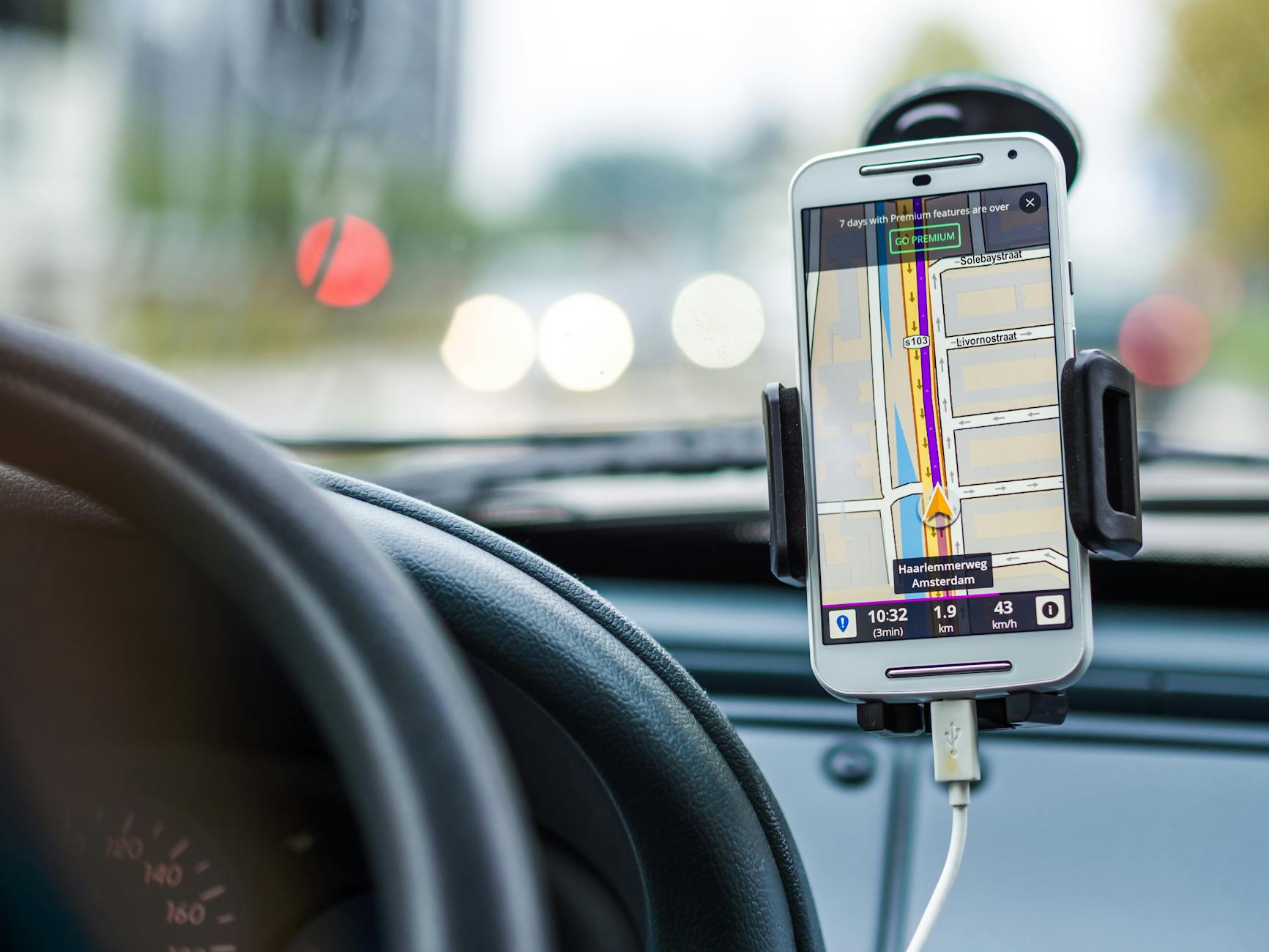
Choosing the Right Small GPS Tracker for Your Specific Needs
Selecting the perfect compact GPS tracker requires careful consideration of your unique requirements, budget, and existing infrastructure. The right choice depends on several critical factors that directly impact both performance and cost-effectiveness.
Fleet Size and Vehicle Type Considerations
Your fleet size determines both the type of tracker and pricing structure that works best. Small fleets of 1-10 vehicles benefit most from simple plug-and-play OBD trackers or magnetic units that require minimal setup. These compact devices offer essential tracking without complex installation requirements.
Medium fleets of 10-50 vehicles should consider hardwired mini trackers that provide more reliable power and tamper resistance. The slightly larger upfront investment pays dividends through reduced maintenance and better data consistency across your fleet.
Large fleets over 50 vehicles need enterprise-grade small trackers with robust reporting capabilities and bulk management features. While individual units may cost more, volume discounts and advanced fleet analytics justify the investment.
Vehicle type also matters significantly. Heavy trucks and construction equipment require rugged mini trackers with extended temperature ranges and vibration resistance. Passenger cars and delivery vans work well with standard compact units, while motorcycles and small equipment need the absolute smallest form factors available.
Cost Analysis: Purchase vs Subscription Models
Understanding total cost of ownership helps you make informed decisions about tracker investments. Upfront purchase costs range from $30 for basic units to $200 for premium small trackers with advanced features.
Monthly subscription fees typically run $10-30 per device, covering cellular data and platform access. Some providers offer attractive bulk discounts that can reduce per-unit costs by 20-40% for larger deployments.
Calculate your break-even point by comparing total costs over 24-36 months. Higher-priced trackers with lower monthly fees often prove more economical long-term, especially for permanent installations. Budget trackers with higher monthly costs work better for temporary or seasonal tracking needs.
Consider hidden costs like installation fees, replacement batteries, and premium feature upgrades. Some manufacturers bundle these services while others charge separately, significantly impacting your total investment.
Integration with Existing Fleet Management Systems
Seamless integration maximizes the value of your small GPS tracker investment. API compatibility allows your new trackers to feed data directly into existing dispatch, maintenance, or accounting systems, eliminating duplicate data entry.
Check whether your chosen mini trackers support popular fleet management platforms like Fleetio, Samsara, or Verizon Connect. Direct integrations provide richer data analysis and streamlined workflows compared to standalone tracking apps.
Data export capabilities matter when integration isn't available. Look for trackers that offer CSV exports, email reports, or webhook notifications that can feed your existing business processes.
Consider future scalability when selecting tracking platforms. Choose systems that can accommodate fleet growth and evolving business needs without requiring complete tracker replacement.

FAQ - Frequently Asked Questions
How small can GPS trackers get while maintaining reliable tracking?
The smallest GPS trackers can be as tiny as a coin or key fob, measuring around 1.5 inches in diameter while still providing accurate location tracking. These ultra-compact devices use advanced GPS chipsets and antenna technology to maintain reliable satellite connectivity. However, smaller size typically means shorter battery life, so there's always a trade-off between portability and tracking duration.
What is the typical battery life of the smallest GPS trackers?
Most mini GPS trackers offer 5-15 days of battery life depending on tracking frequency and usage patterns. Devices with real-time tracking typically last 5-7 days, while those with less frequent location updates can extend to 2-3 weeks. Battery life varies significantly based on factors like GPS signal strength, cellular connectivity, and how often the device transmits location data.
Do small GPS trackers require monthly subscription fees?
Yes, most small GPS trackers require monthly subscription fees ranging from $5-30 per month for cellular data connectivity. These fees cover the cost of transmitting location data through cellular networks and accessing tracking platforms or mobile apps. Some devices offer prepaid plans or annual subscriptions that can reduce the monthly cost.
How accurate are the smallest GPS trackers compared to larger devices?
Small GPS trackers typically achieve 3-5 meter accuracy under optimal conditions, which is comparable to larger GPS devices. The accuracy depends more on GPS chipset quality and antenna design rather than overall device size. However, very tiny trackers may have slightly reduced accuracy in challenging environments due to smaller antennas and less powerful receivers.


Leave a comment
This site is protected by hCaptcha and the hCaptcha Privacy Policy and Terms of Service apply.