

Key Takeaways - Your Fleet's CDL Roadmap Decoded
Commercial driving encompasses operating vehicles for business purposes, with specific licensing and regulatory requirements that vary based on vehicle size, weight, and cargo type.
- CDL requirements kick in at 26,001 pounds: Any vehicle exceeding this weight threshold requires a Commercial Driver's License, impacting your fleet operations immediately.
- Three vehicle classes determine compliance needs: Class A, B, and C classifications each carry distinct licensing, training, and operational requirements for your drivers.
- Fleet management extends beyond just vehicles: Successfully managing commercial drivers involves recruitment, training, compliance monitoring, and ongoing performance management.
- Regulatory compliance protects your business: Understanding DOT regulations, hours of service rules, and safety requirements prevents costly violations and keeps your fleet operational.
Mastering these commercial driving fundamentals ensures your fleet operates legally while maximizing efficiency and safety across all operations.
What is Commercial Driving and When Does Your Fleet Need CDL Requirements?
Commercial driving refers to operating vehicles for business purposes, but the specific requirements depend on vehicle weight, cargo type, and passenger capacity. Understanding these distinctions helps fleet operators make informed decisions about driver qualifications and compliance obligations.
Commercial Driving Definition: Weight Limits and Business Use Classifications
Commercial driving becomes legally defined when vehicles exceed specific thresholds. A vehicle requires commercial classification when it meets any of these criteria:
- Gross Vehicle Weight Rating (GVWR) of 26,001 pounds or more
- Designed to transport 16 or more passengers including the driver
- Transports hazardous materials requiring placards
- Any combination vehicle with a gross combination weight rating exceeding 26,000 pounds
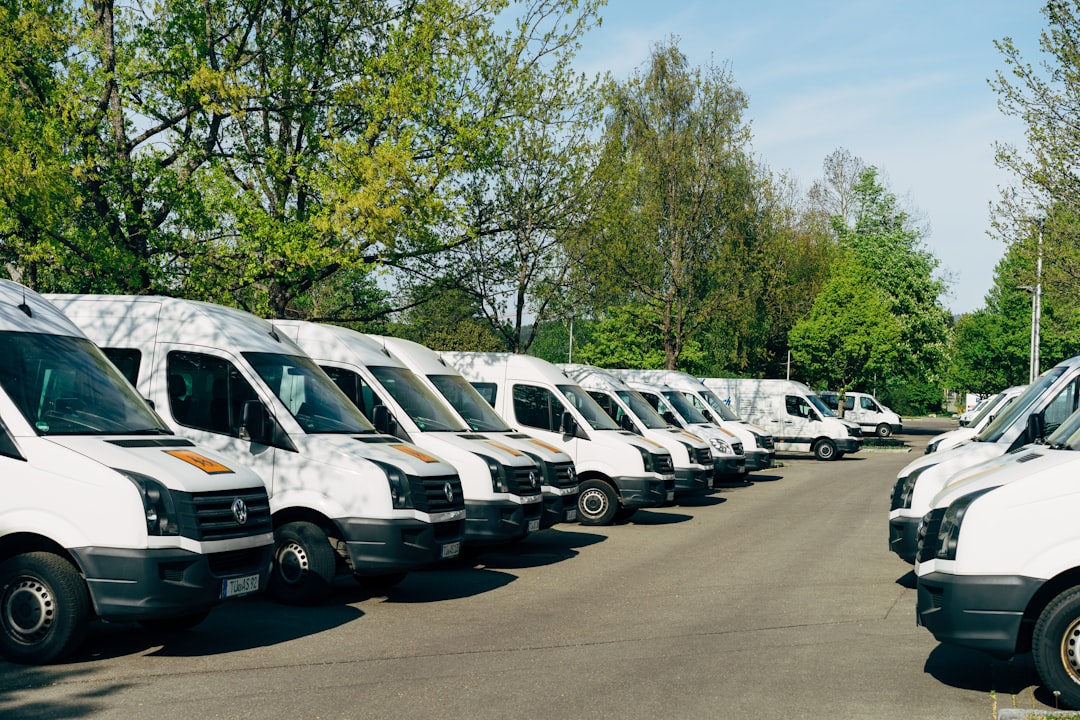
Business use alone does not determine commercial status. A delivery van weighing 12,000 pounds operates commercially but does not require a Commercial Driver's License (CDL). However, it still falls under Department of Transportation regulations for vehicle maintenance, driver qualification files, and safety compliance.
CDL Requirements vs Non-CDL Commercial Operations for Fleet Managers
Fleet managers must distinguish between CDL-required operations and non-CDL commercial driving. CDL requirements apply strictly to vehicle specifications, not business type or frequency of use.
Non-CDL commercial operations include most delivery trucks, service vans, and pickup trucks under 26,001 pounds GVWR. These vehicles require commercial insurance and DOT compliance but allow drivers with standard licenses. This significantly expands your hiring pool and reduces training costs.
CDL operations demand specialized driver training, medical certifications, and enhanced background checks. Plan for 4-6 weeks minimum to get new CDL drivers road-ready, including permit acquisition, skills training, and road testing.
Consider vehicle selection strategically. Choosing trucks just under the 26,001-pound threshold eliminates CDL requirements while maintaining substantial cargo capacity for many fleet applications.
Interstate vs Intrastate Commercial Driving: Compliance Differences That Matter
Interstate commercial driving involves crossing state lines or transporting goods that will cross state lines, triggering federal DOT regulations under FMCSA oversight. This includes comprehensive driver qualification files, hours of service logging, vehicle inspection requirements, and drug testing programs.
Intrastate operations remain within single state boundaries and may qualify for relaxed state-specific regulations. Many states offer exemptions for local delivery operations, seasonal drivers, or specific industry categories like agriculture or construction.
The key compliance difference lies in documentation requirements and operational flexibility. Interstate operations require electronic logging devices for drivers exceeding 100-mile radius from base, while intrastate operations often allow paper logs or timecard exemptions.
Fleet operators should evaluate route patterns carefully. Even occasional interstate trips trigger full federal compliance requirements for affected vehicles and drivers, impacting operational costs and administrative burden.
Commercial driving requirements based on vehicle specifications and business use
| Vehicle Type | Weight/Capacity | CDL Required | DOT Compliance |
|---|---|---|---|
| Delivery Van | Under 26,001 lbs | No | Yes |
| Large Truck | 26,001+ lbs GVWR | Yes | Yes |
| Passenger Vehicle | 16+ passengers | Yes | Yes |
| Hazmat Vehicle | Requires placards | Yes | Yes |

Commercial Vehicle Classifications and Fleet Management Requirements
Understanding commercial vehicle classifications helps fleet operators make informed decisions about driver assignments, licensing requirements, and compliance obligations. Each vehicle class comes with distinct regulations that directly impact your operational costs and management complexity.
Class A, B, and C Commercial Vehicles: Fleet Planning and Driver Assignment
Class A vehicles include tractor-trailers and truck combinations with a gross vehicle weight rating (GVWR) exceeding 26,001 pounds, where the towed unit weighs over 10,000 pounds. These require CDL Class A licenses and extensive DOT compliance measures.
Class B vehicles encompass single vehicles weighing over 26,001 pounds, such as large delivery trucks, dump trucks, and city buses. Drivers need CDL Class B licenses, making recruitment more challenging but opening opportunities for local delivery operations.
Class C vehicles cover smaller commercial vehicles designed to transport hazardous materials or carry 16 or more passengers. While lighter than Class A and B vehicles, they still require specialized CDL endorsements for specific cargo types or passenger transport.
Light Commercial Vehicles (Under 26,001 lbs): Management Without CDL Complexity
Light commercial vehicles offer significant advantages for fleet operators seeking operational flexibility. These vehicles require only standard driver's licenses, dramatically expanding your driver recruitment pool and reducing training costs.
Common light commercial vehicles include cargo vans, pickup trucks, and smaller box trucks used for local deliveries, service calls, and urban logistics. Fleet operators can deploy these vehicles quickly without waiting for CDL training completion or dealing with complex endorsement requirements.
However, light commercial fleets still require proper vehicle registration, commercial insurance coverage, and compliance with state-specific commercial vehicle regulations. Many states require DOT numbers and safety inspections even for lighter commercial operations.
Heavy-Duty Commercial Operations: DOT Compliance and Safety Management Systems
Heavy-duty commercial vehicles demand comprehensive safety management systems and strict DOT compliance protocols. Fleet operators must implement driver qualification files, vehicle inspection programs, and hours of service monitoring systems.
Key compliance requirements include regular vehicle maintenance records, driver medical certifications, drug and alcohol testing programs, and electronic logging device implementation. These systems require dedicated administrative resources but ensure legal operation and reduce liability risks.
Heavy-duty operations also require safety ratings from the Federal Motor Carrier Safety Administration, making compliance management a critical business function that affects insurance rates and customer contracts.
Specialized Commercial Vehicles: Equipment-Specific Licensing and Fleet Considerations
Specialized commercial vehicles require additional endorsements and training beyond standard CDL requirements. These include vehicles transporting hazardous materials, passenger carriers, and equipment with unique operational characteristics.
Fleet operators managing specialized vehicles must account for extended training periods, higher insurance costs, and more complex maintenance requirements. However, specialized operations often command premium rates that offset additional operational complexity.
Successful specialized fleet management requires close coordination between driver training programs, equipment specifications, and customer service requirements to maximize operational efficiency and profitability.

Building and Managing Your Commercial Driver Workforce
Creating a reliable commercial driver workforce requires systematic hiring practices, comprehensive training programs, and ongoing monitoring systems. Fleet operators who invest in proper driver management see reduced accidents, lower insurance costs, and improved operational efficiency.
Hiring Commercial Drivers: Screening, Verification, and Compliance Checks
Thorough screening protects your business and ensures regulatory compliance. Start with Motor Vehicle Record (MVR) checks going back at least three years to identify traffic violations, accidents, and license suspensions. Verify CDL validity through your state's licensing authority and confirm all required endorsements match your operational needs.
Background checks should include criminal history, previous employment verification, and Department of Transportation (DOT) clearinghouse queries for drug and alcohol violations. Contact previous employers directly to verify employment dates, safety records, and reasons for departure. Many fleet operators require clean driving records with no major violations in the past 24 months.
Drug and alcohol testing must follow DOT regulations, including pre-employment screening, random testing, and post-accident protocols. Establish clear policies and partner with certified testing facilities to maintain compliance documentation.
Driver Training Programs and Ongoing Certification Management for Fleets
Comprehensive training reduces accidents and improves driver retention. New driver orientation should cover company policies, vehicle-specific operations, and route familiarization. Include defensive driving techniques, cargo handling procedures, and customer service standards relevant to your operations.
Ongoing training requirements include annual safety meetings, refresher courses on changing regulations, and specialized training for new equipment or routes. Track certification expiration dates for CDLs, medical certificates, and any required endorsements. Set up automated reminders 60 days before renewals to prevent compliance lapses.
Document all training activities with signed completion certificates and maintain records for DOT audits. Consider online training platforms that allow drivers to complete modules during downtime while automatically tracking progress and compliance status.
Fleet Safety and Performance Monitoring: Technology Solutions for Commercial Operations
Modern fleet management technology provides real-time insights into driver behavior and vehicle performance. GPS tracking systems monitor location, speed, and route compliance while Electronic Logging Devices (ELDs) ensure Hours of Service compliance automatically.
Driver scorecards combining telematics data help identify coaching opportunities and recognize top performers. Monitor key metrics including:
- Hard braking and acceleration events
- Speeding incidents and duration
- Fuel efficiency and idle time
- Route adherence and delivery punctuality
Implement progressive coaching programs that address performance issues through data-driven conversations rather than punitive measures. Regular safety meetings reviewing fleet-wide trends help drivers understand how their performance impacts overall operations.
Dashboard cameras provide objective evidence for accident investigations and can reduce false insurance claims. Choose systems that trigger recording based on harsh driving events while respecting driver privacy during off-duty periods.

FAQ - Frequently Asked Questions
What is the difference between commercial driving and regular driving for business purposes?
Commercial driving involves operating vehicles specifically designed for transporting goods or passengers for profit, typically requiring special licensing and DOT compliance. Regular driving for business purposes uses personal or company vehicles under 26,001 lbs for activities like sales calls or meetings, without the same regulatory requirements. Commercial drivers must follow strict Hours of Service regulations, maintain detailed logbooks, and undergo regular medical examinations that business drivers don't need.
Do all commercial vehicles require a CDL or special licensing?
Not all commercial vehicles require a CDL, but many do depending on weight, passenger capacity, and cargo type. Vehicles over 26,001 lbs, those carrying 16 or more passengers, or transporting hazardous materials typically require a Commercial Driver's License. Smaller commercial vehicles under these thresholds may only need a regular driver's license but must still comply with DOT safety regulations.
What are the main DOT requirements for commercial fleet operations?
DOT requirements include driver qualification files, regular vehicle inspections, Hours of Service compliance, and drug and alcohol testing programs. Fleet operators must maintain proper insurance coverage, conduct pre-trip and post-trip inspections, and ensure drivers have valid medical certificates. Additional requirements include accident reporting, driver training documentation, and compliance with specific regulations based on vehicle weight and cargo type.
Can I operate a commercial fleet with vehicles under 26,001 lbs without CDL drivers?
Yes, you can operate commercial vehicles under 26,001 lbs with regular licensed drivers, but DOT safety regulations still apply. These operations must comply with vehicle maintenance requirements, driver qualification standards, and safety protocols even without CDL requirements. However, drivers transporting hazardous materials or operating vehicles designed for 16+ passengers will need a CDL regardless of vehicle weight.

Dejar un comentario
Este sitio está protegido por hCaptcha y se aplican la Política de privacidad de hCaptcha y los Términos del servicio.