
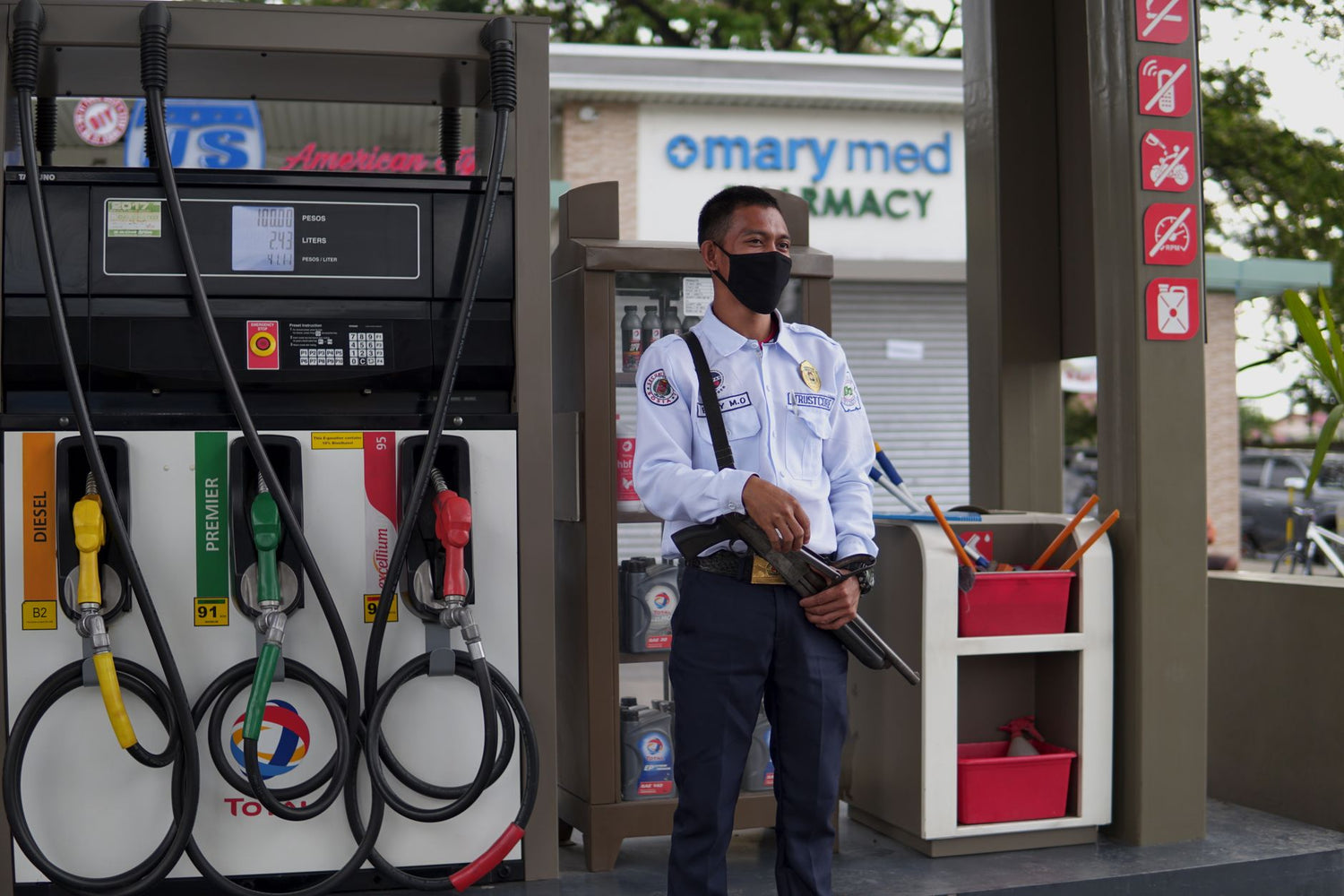
Key Takeaways - Smart Fuel Management: Your Fleet's Path to Maximum Efficiency
Fuel management software revolutionizes fleet operations by providing comprehensive control over fuel consumption, costs, and efficiency through advanced monitoring and analytics.
- Real-time monitoring capabilities track fuel usage patterns and detect anomalies instantly across your entire fleet
- Essential features include GPS integration for route optimization, automated reporting, and fuel card management systems
- Proven ROI benefits deliver 15-25% fuel cost reductions through improved driver behavior and operational efficiency
- Strategic implementation approaches ensure smooth adoption with proper training, phased rollouts, and measurable performance metrics
Modern fuel management software transforms fleet operations from reactive cost centers into proactive profit drivers through data-driven insights and automated controls.
How Fuel Management Software Transforms Fleet Operations Through Real-Time Monitoring
Modern fuel management software revolutionizes how fleet operators control their fuel expenses by providing instant visibility into every aspect of fuel consumption. This technology integrates seamlessly with GPS tracking systems to deliver comprehensive monitoring that helps both individual vehicle owners and large fleet managers make informed decisions about their operations.
GPS-Integrated Fuel Tracking: Monitor Consumption Across Your Entire Fleet
GPS-integrated fuel tracking creates a complete picture of your vehicle operations by combining location data with fuel consumption metrics. The software automatically records fuel usage patterns for each vehicle, correlating consumption with specific routes, driving behaviors, and operational conditions.
This integration allows you to identify which vehicles consume excessive fuel and pinpoint the exact circumstances causing inefficiency. You receive real-time alerts when fuel consumption exceeds normal parameters, enabling immediate corrective action. The system tracks fuel purchases at gas stations, monitors tank levels, and calculates fuel efficiency across different routes and drivers.
Fleet managers can access detailed reports showing fuel consumption by vehicle, driver, or route, making it easy to spot trends and implement targeted improvements. Individual vehicle owners benefit from simplified tracking that eliminates manual fuel log maintenance while providing accurate consumption data.
Automated Fuel Theft Detection and Prevention Systems
Fuel theft represents a significant expense for fleet operations, but automated detection systems provide robust protection through continuous monitoring. The software establishes baseline fuel consumption patterns for each vehicle and immediately flags unusual fuel level drops that occur when the engine is off or during unauthorized periods.
Advanced sensors detect fuel siphoning, tank tampering, and unauthorized fuel card usage by monitoring fuel levels every few minutes. When theft occurs, the system sends instant notifications to fleet managers with precise location data and timestamps, enabling quick response and investigation.
The prevention aspect works by creating detailed audit trails that deter theft attempts. Drivers understand their fuel usage is continuously monitored, while fuel card controls limit purchases to authorized amounts, times, and locations. These preventive measures typically reduce fuel theft by over 80% in fleet operations.
Route Optimization Benefits That Reduce Fuel Costs by Up to 25%
Route optimization functionality analyzes historical driving data to identify the most fuel-efficient paths between destinations. The software considers factors including traffic patterns, road conditions, vehicle specifications, and delivery schedules to recommend optimal routes that minimize fuel consumption.
Dynamic route adjustments respond to real-time traffic conditions, automatically redirecting vehicles around congestion that would increase idle time and fuel usage. The system learns from each trip, continuously improving route recommendations based on actual fuel consumption data rather than theoretical calculations.
Fleet operators typically achieve 15% to 25% fuel cost reductions through systematic route optimization. The software eliminates unnecessary mileage, reduces stop-and-go driving situations, and ensures vehicles operate in their most fuel-efficient speed ranges whenever possible.
Key Features of Fuel Management Software for Fleet Operations
| Feature | Capability | Monitoring | Benefits |
|---|---|---|---|
| GPS Integration | Location-fuel consumption tracking | Real-time fleet visibility | Complete operational picture |
| Consumption Alerts | Excessive usage detection | Parameter threshold tracking | Immediate corrective action |
| Purchase Tracking | Gas station monitoring | Tank level analysis | Fuel expense control |
| Efficiency Reports | Route-driver analysis | Consumption pattern identification | Targeted fleet improvements |
| Driver Behavior | Driving pattern correlation | Individual performance tracking | Operational efficiency insights |

Essential Features to Look for in Fleet-Oriented Fuel Management Solutions
The right fuel management software transforms scattered fuel data into actionable insights that directly impact your bottom line. Fleet-focused solutions go beyond simple fuel tracking to deliver comprehensive analysis tools that help you optimize every aspect of fuel consumption across your entire operation.
Driver Behavior Analysis and Fuel Efficiency Scoring
Effective fuel management starts with understanding how driving habits affect consumption. Look for software that provides detailed driver scorecards showing fuel efficiency metrics for each team member. The best systems track acceleration patterns, idling time, speed variations, and route adherence to identify specific behaviors that waste fuel.
Quality solutions offer personalized coaching recommendations for each driver based on their performance data. This feature enables fleet managers to provide targeted training that can reduce fuel costs by 10-15% within the first few months of implementation.
Vehicle-Specific Fuel Performance Reporting and Analytics
Fleet managers need granular visibility into how each vehicle performs over time. Essential reporting features include fuel consumption trends by vehicle, maintenance correlation analysis, and comparative performance metrics across similar vehicle types.
Advanced analytics should highlight vehicles that consume significantly more fuel than expected, enabling proactive maintenance scheduling before minor issues become major expenses. Look for systems that can predict optimal replacement timing based on declining fuel efficiency trends.
Integration Capabilities with Existing Fleet Management Platforms
Seamless integration prevents data silos and eliminates manual data entry that often leads to errors. Your fuel management software should connect directly with your GPS tracking system, maintenance software, and accounting platforms to provide a complete operational picture.
The most valuable integrations automatically correlate fuel data with route information, vehicle maintenance schedules, and driver assignments. This connectivity enables comprehensive analysis that reveals hidden patterns affecting fuel consumption across your entire fleet operation.
Mobile Access and Real-Time Alerts for Fleet Managers
Fleet management happens around the clock, making mobile accessibility crucial for staying informed about fuel-related issues. Essential mobile features include instant notifications for unusual fuel consumption, potential fuel theft alerts, and emergency fuel level warnings.
Quality mobile platforms allow fleet managers to approve fuel purchases remotely, review daily consumption summaries, and access driver performance data from anywhere. Look for solutions offering customizable alert thresholds that match your specific operational requirements and fuel management policies.
Real-time visibility enables immediate response to fuel emergencies and helps prevent costly situations like vehicles running out of fuel during critical deliveries or service calls.

ROI Benefits and Implementation Strategies for Fleet Fuel Management Systems
Calculating Your Fleet's Fuel Management Software ROI
Fleet managers typically see 15-25% reduction in fuel costs within the first year of implementing fuel management software. To calculate your potential ROI, start with your current monthly fuel spend and multiply by 0.20 for a conservative estimate of savings.
The primary cost savings come from eliminating fuel theft, which can account for 3-5% of total fuel expenses. A fleet spending $50,000 monthly on fuel could lose $1,500 to $2,500 each month to unauthorized usage. Real-time monitoring and automated alerts catch these issues immediately, turning losses into documented savings.
Beyond theft prevention, fuel management software delivers measurable returns through improved route optimization and driver behavior monitoring. Fleets report average fuel efficiency improvements of 8-12% by identifying and correcting excessive idling, aggressive acceleration, and inefficient routing patterns.
Step-by-Step Implementation Process for Maximum Adoption
Start your implementation with a pilot program using 10-20% of your fleet. This approach allows you to identify potential issues and refine processes before full deployment. Choose vehicles with the highest fuel consumption or routes with known efficiency problems for maximum early impact.
Week one focuses on hardware installation and basic system setup. Install fuel monitoring devices and ensure data connectivity across your pilot vehicles. Week two involves training your core team on the software interface and establishing baseline measurements for comparison.
During weeks three and four, begin driver training and introduce the new monitoring protocols gradually. Frame the system as a tool to help drivers improve performance rather than a surveillance measure. Share positive results and fuel savings data with drivers to build buy-in and enthusiasm.
After the pilot phase shows consistent results, expand implementation in phases of 25-30 vehicles monthly. This controlled rollout prevents overwhelming your team while maintaining system performance and data quality.
Common Implementation Mistakes That Reduce Effectiveness
The biggest implementation mistake is installing systems without proper driver communication. When drivers discover monitoring equipment without prior explanation, they often view it as punitive rather than helpful. This creates resistance that undermines the entire program's effectiveness.
Many fleets also fail to establish clear data review processes. Fuel management software generates substantial amounts of data, but without regular analysis and action, the information provides no value. Assign specific team members to review reports weekly and follow up on identified issues.
Another common error involves setting unrealistic expectations for immediate results. While some benefits appear within days, meaningful fuel savings typically develop over 60-90 days as driver behaviors adapt and system optimization takes effect. Rushing to judge success too early can lead to abandoning effective programs prematurely.
Finally, neglecting system maintenance and updates reduces long-term effectiveness. Regular calibration of monitoring devices and software updates ensure continued accuracy and functionality. Schedule monthly system checks to maintain optimal performance and data reliability.

FAQ - Frequently Asked Questions
How does GPS integration improve fuel management compared to standalone fuel monitoring?
GPS integration provides real-time location data that correlates fuel consumption with specific routes, driving behaviors, and vehicle performance. This contextual information enables fleet managers to identify fuel inefficiencies like excessive idling, unauthorized vehicle use, or suboptimal routing that standalone monitoring cannot detect. The combination delivers actionable insights for reducing fuel costs and improving operational efficiency.
What size fleet benefits most from fuel management software implementation?
Fleets with 10 or more vehicles typically see the most significant benefits from fuel management software implementation. Medium to large fleets with 25-500 vehicles experience optimal ROI due to substantial fuel volumes and operational complexity. Smaller fleets can benefit but may need to evaluate cost-effectiveness based on their specific fuel consumption patterns and management challenges.
Can fuel management software integrate with existing telematics systems?
Most modern fuel management software platforms offer API integrations and standardized protocols that connect seamlessly with popular telematics systems. These integrations combine fuel data with vehicle diagnostics, driver behavior metrics, and GPS tracking for comprehensive fleet oversight. The unified data stream eliminates duplicate systems and provides a single dashboard for all fleet management activities.
How quickly do fleets typically see ROI from fuel management software?
Most fleets see positive ROI from fuel management software within 6 to 12 months of implementation. The payback period depends on fleet size, current fuel management practices, and fuel consumption volumes. Immediate benefits include reduced fuel theft, optimized routing, and improved driver behavior, with cost savings typically ranging from 5-15% of total fuel expenses.

Laisser un commentaire
Ce site est protégé par hCaptcha, et la Politique de confidentialité et les Conditions de service de hCaptcha s’appliquent.